Language That Makes an Impact
November 28, 2025
Learning with Dyslexia
December 8, 2025
When children play, they’re secretly building focus, learning to problem-solve, and practicing emotional regulation. These are just a few of the core executive function skills that are activated when children play games and engage in playful activities!
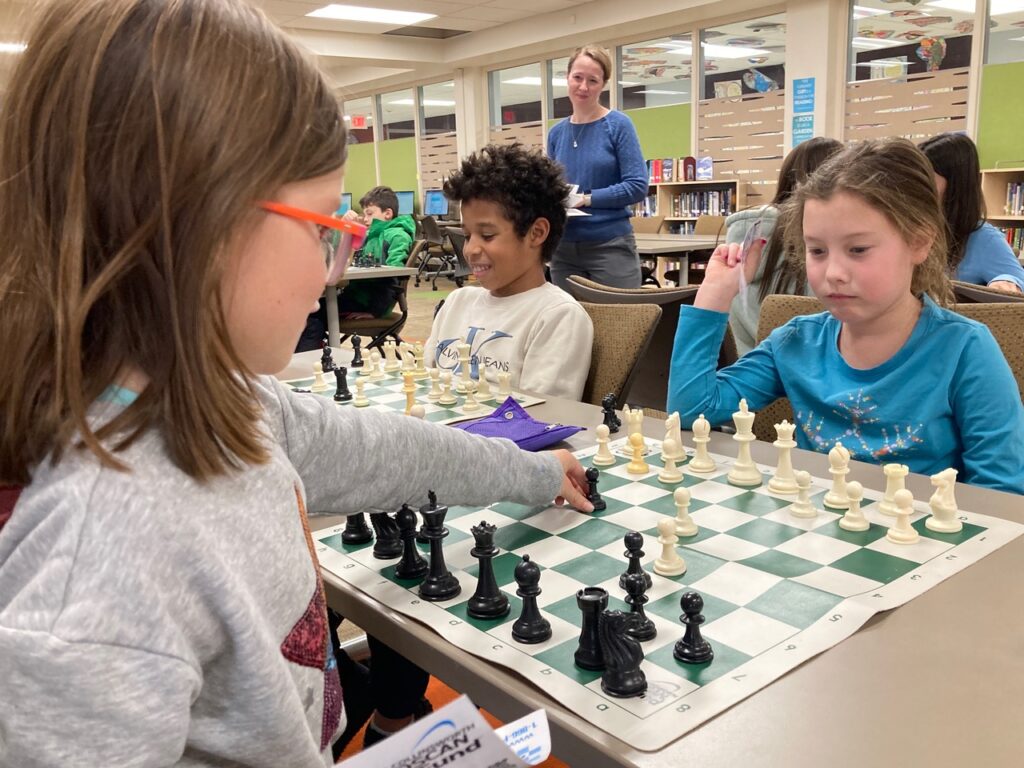
Research shows that executive function (EF) skills develop rapidly throughout childhood, especially between ages 3–5 and again during early adolescence, as the prefrontal cortex matures. Studies also find that EF growth is highly shaped by experience—meaning practice through play, routines, and supportive environments can significantly strengthen these skills over time. With winter break just around the corner, let’s take a look at how you can build stronger brains through play.
Many store-bought games build working memory as kids practice holding information and using it, just like they do in the classroom. They need to keep track of whose turn it is, remember what the different cards do, and access strategies. Of course, playing traditional games such as Memory and Simon Says support remembering and holding information in mind. Play naturally demands thinking in new ways, switching strategies, and adapting when things don’t go as planned. Pretend play as well as sports and playground games require children to adjust their actions quickly, shift roles, and create rules on the fly. Even card games like UNO necessitate the ability to shift strategies to be successful. Alongside this are impulse control games, which often require waiting, taking turns, and resisting that first impulse. Games like Jenga and Red Light, Green Light are games that improve children’s ability to pause, think, and choose an action rather than impulsively reacting.
Planning and prioritizing is an important EF skill that we all use daily. Many activities at home require creating a plan, organizing materials, and thinking ahead. Any building activity (LEGOs, domino chains, Lincoln Logs, fort building) is best accomplished with forward planning and thinking. Building these early fun planning skills can translate into strengthened routines for homework and chores. There are social-emotional benefits as well. Play gives kids safe opportunities to experience frustration, excitement, disappointment, and success. Competitive games teach children to manage frustration and to lose (or win!) with grace. Games also support growth socially because needs have to be communicated and emotions managed. Many games require negotiation, sharing roles and space, anticipating others’ choices, and working cooperatively toward a goal. All of these experiences strengthen perspective-taking, problem-solving, and collaboration.
Sarah Ward, M.S., CCC-SLP, has an in-depth list of games and activities on her Cognitive Connections website. Sarah Ward is Co-Director of Cognitive Connections, LLP, and co-creator of the Get Ready*Do*Done method, used widely to strengthen planning and organization skills in children and teens.
On Thursday, February 12, Springer will host Sarah Ward for The Empowered Learner Night, where Sarah will help parents and educators learn easy, practical strategies to help children manage time, stay organized, and build independence. Click here to learn more and register!
Thank you to Jennifer Brooke, MAT, Reading Endorsement, W.D.P. Learning Center Director, Wilson® Credentialed Dyslexia Practitioner for sharing these insights!