Supporting the Whole Child: Inside Counseling Sessions at Springer
May 15, 2026
Springer Students, Ready to Soar
May 28, 2026
Helping Students Build Independence During Summer Break
As graduation approaches and summer break begins, many students are ready for a well-deserved pause from homework, schedules, and school routines. Summer should absolutely include rest, fun, and time to recharge. Summer can also be a great time for students to build executive functioning skills and practice independence in small, meaningful ways.
During the school year, these skills are often practiced through assignments, deadlines, classroom routines, and teacher support. Over the summer, students have a chance to use these same skills in everyday life, often in ways that feel more natural and less pressured. The goal is not to turn summer into school. Instead, families can look for simple, practical opportunities to help students build confidence, responsibility, and independence.
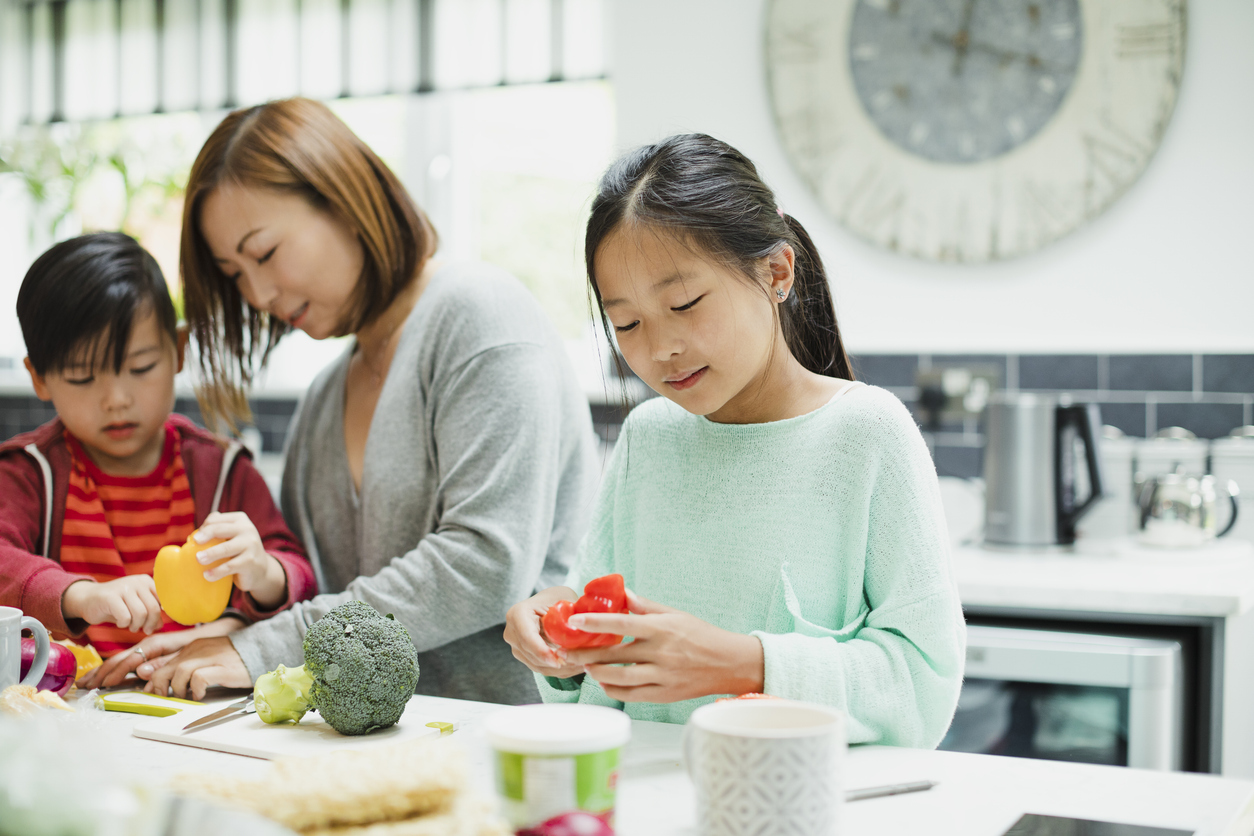
Here are some everyday ways to strengthen executive functioning skills and independence over summer break.
🗓️ Let students help plan the family calendar
Summer schedules can get surprisingly busy with camps, vacations, appointments, sports, and social plans. Invite your child or teen to help keep track of what is coming up. Younger students might help add events to a family calendar or cross off days until a trip. Older students can practice checking their own calendar, setting reminders, or planning around work, practices, or social commitments.
This builds time awareness, planning, and responsibility. It also helps students begin to understand that schedules do not just happen - they are managed.
⏰ Practice morning and evening routines
Without the structure of school, routines can easily disappear. While summer routines can be more flexible, keeping a few predictable habits in place can help students stay grounded. Consider creating a simple morning or evening checklist that includes things like getting dressed, brushing teeth, feeding a pet, packing for camp, charging devices, or preparing for the next day.
For older students, shift from giving reminders to asking reflective questions:
“What do you need to be ready for tomorrow?”
“What is your plan for getting out the door on time?”
This encourages students to take ownership of routines instead of relying on adult prompts.
🧼 Give students real responsibilities at home
Household tasks are excellent executive functioning practice. Chores require planning, sequencing, working memory, time management, and follow-through. Students can help with laundry, dishes, pet care, meal prep, yard work, organizing a closet, or packing their own bag for activities. The key is to choose responsibilities that are realistic and consistent.
Rather than focusing only on whether the task was done perfectly, notice the skills involved: Did they remember? Did they start without too much delay? Did they know the steps? Did they check their work?
Independence grows through practice, not perfection.
🍽️ Involve students in meal planning and preparation
Food is a practical and motivating way to build executive functioning skills. Ask your student to help choose a meal, make a grocery list, compare ingredients, follow a recipe, or prepare part of dinner. Cooking supports planning, organization, flexible thinking, sequencing, and problem-solving. If an ingredient is missing or something takes longer than expected, students also practice adapting.
For teens, this can be a great step toward independence. Learning how to prepare a few simple meals builds confidence and life readiness.
💵 Encourage students to manage some of their own money
Summer often brings opportunities for students to practice financial responsibility, whether through allowance, gift money, babysitting, lawn care, a summer job, or spending money on outings.
Help students think through questions like:
“How much do you want to spend?”
“How much do you want to save?”
“Is this something you want now, or something worth waiting for?”
Budgeting builds planning, impulse control, delayed gratification, and decision-making. These are important executive functioning skills that students will use well beyond school.
💭 Build in opportunities to make choices
Independence grows when students have chances to make decisions and experience appropriate outcomes. Summer can provide many low-stakes opportunities for choice. Let students choose how to structure part of their day, what book to read, which activity to do first, what to pack for an outing, or how to spend free time within reasonable limits.
Choice helps students practice self-awareness and decision-making. It also communicates trust: “You are capable of thinking this through.”
When things do not go as planned, use it as a learning moment instead of a lecture. Ask, “What would you do differently next time?”
Small Steps Build Big Skills
Summer does not need to be packed with structured activities to be meaningful. Everyday moments, like making a plan, packing a bag, helping with dinner, managing money, or solving a problem, can become powerful opportunities to build executive functioning skills.
With patience, encouragement, and practice, students can use the summer months to grow in confidence and independence. These small steps help prepare them not only for the next school year, but for the many responsibilities and opportunities ahead.