Creating Space for Kids to Talk About Stress
August 6, 2026
Working Smarter with Technology Tools that Support Success
August 20, 2026
Building a Partnership: 5 Things to Share with Your Child's New Teacher
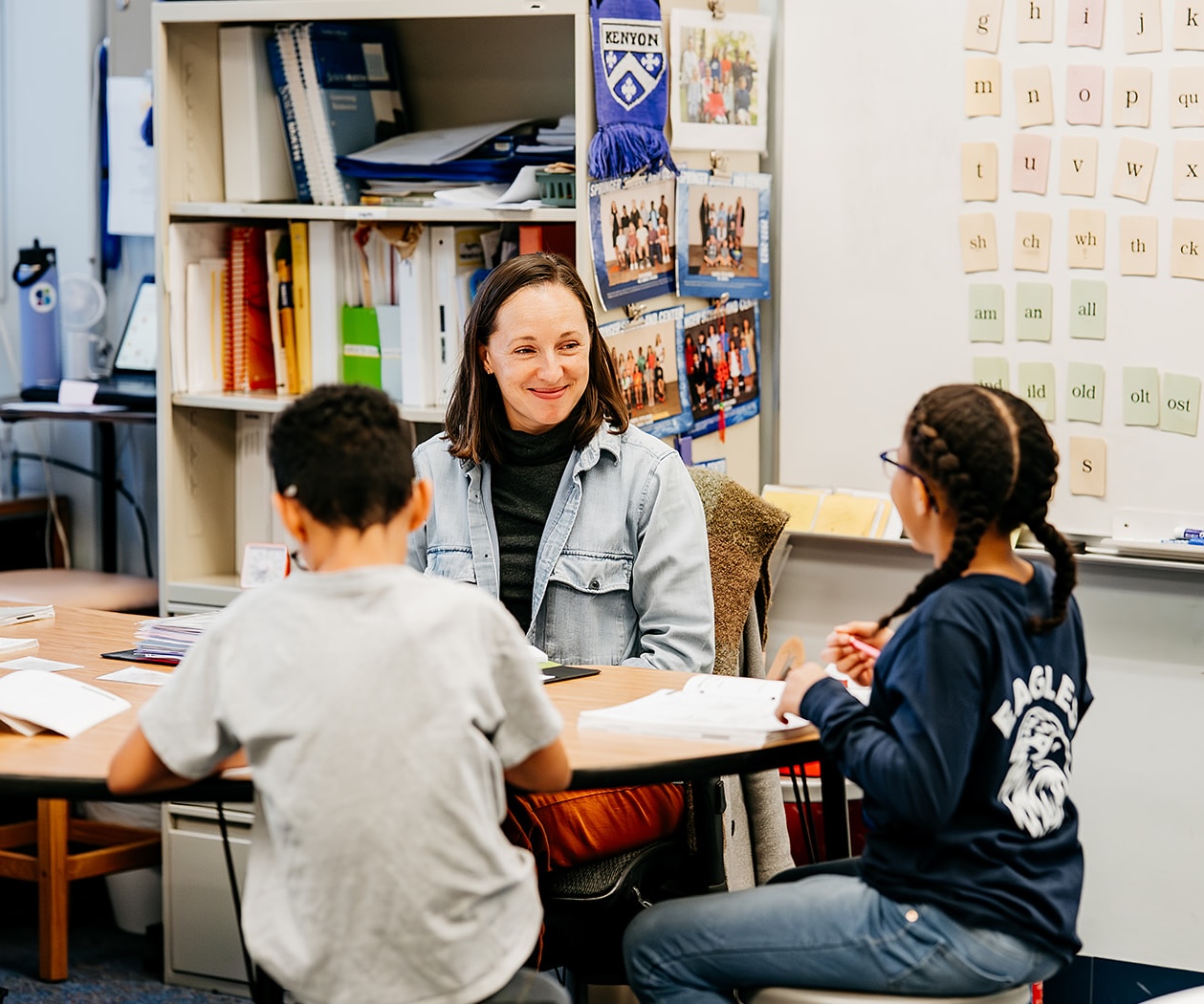
The start of a new school year is filled with fresh opportunities, new routines, and new relationships. For families of students with ADHD, dyslexia, executive functioning challenges, and other learning differences, one of the most important relationships to build is the partnership between home and school.
Teachers want to understand their students and help them succeed. Sharing a few key insights early in the year can help teachers connect with your child, understand their needs, and provide meaningful support from day one.
Here are five things worth sharing with your child's new teacher.
1. Your Child’s Strengths and Interests
When talking about learning differences, it is easy to focus on challenges. But some of the most valuable information you can share is what makes your child shine. What are they passionate about? What motivates them? When do they feel most confident? What kinds of things are they interested in? What have they been doing over the summer?
Whether your child is creative, curious, kind, persistent, funny, artistic, athletic, or a natural problem-solver, sharing these details helps the teacher see the whole child - not just their learning profile.
Even a small personal detail can give a teacher an easy way to begin building a relationship: “Your family told me you watched the World Cup this summer!”
2. Challenges That May Not Be Obvious - and Strategies That Have Helped
Your child’s teacher will review and follow the accommodations and supports included in their documented learning plan. Families do not need to restate what is already in the student’s file. Still, it can be helpful to provide context about challenges that may not be immediately visible, along with specific strategies that have worked well in the past.
A student with ADHD may appear distracted when they are actually working hard to stay focused. A student with dyslexia may avoid reading aloud despite putting in tremendous effort. A student with executive functioning challenges may seem disorganized even when they care deeply about doing well.
You might also share practical observations such as:
- “A movement break before reading helps them settle and focus.”
- “They sometimes need extra time to begin an unfamiliar task.”
- “They understand directions better after talking through the first step.”
- “They may say they understand even when they are unsure.”
- “They are more comfortable asking questions privately than in front of the class.”
These insights can help teachers recognize what may be happening beneath the surface and respond with understanding and support.
3. Your Goals for the Year
Families know their children’s hopes, needs, and areas for growth better than anyone. Sharing a few goals can help teachers understand what feels especially important to your family this year.
Your goals might include reading a chapter book independently, building confidence with math facts, becoming more organized, making new friends, participating more often in class, or learning to ask for help. These goals are not a checklist for the teacher to complete. Instead, they offer helpful context and can guide conversations, encouragement, and opportunities for growth throughout the year.
It is also meaningful to ask your child what they hope to accomplish. Their answer could be academic, social, personal, or something entirely unexpected.
4. How Your Child Communicates and Advocates for Themselves
Self-advocacy is an important skill that develops over time. Sharing where your child is in that journey can help teachers know when to encourage independence and when additional support may be needed.
For example:
- Are they comfortable asking for help?
- Do they know how to explain their learning needs?
- Are they hesitant to speak up in class?
- Do they need prompting to use accommodations?
Helping teachers understand your child's comfort level can create more opportunities for growth and confidence throughout the year.
5. The Best Way to Partner with Your Family
Strong communication between home and school benefits everyone, especially students. Let teachers know what communication methods work best for your family and invite ongoing dialogue throughout the year. You might share preferred contact information, important details about schedules or routines, concerns about the transition, or anything happening outside of school that may affect your child’s day.
It is also helpful to express a willingness to collaborate if questions or challenges arise. A simple conversation early in the year can lay the foundation for a positive partnership built on trust, respect, and shared goals.
Building a Strong Start Together
Teachers bring expertise, experience, and a deep commitment to helping students grow. Families bring valuable insight into who their child is and how they learn best. When those perspectives come together, students are more likely to feel understood, supported, and confident as they begin a new school year.
It is also powerful for children to see that the adults in their lives are communicating and working as a team. When students know their families and teachers are on the same page, they can feel more secure, take greater ownership of their learning, and trust that support is available when needed.
Sometimes, the most meaningful conversations start with just a few key details, and the understanding that everyone is working toward the same goal: helping your child succeed.