
Where Understanding Leads, Students Thrive
October 1, 2026
Celebrating Dyslexia Awareness Month!
October is Dyslexia Awareness Month, a time to increase understanding of dyslexia, recognize the unique strengths of children who learn differently, and highlight the importance of early identification and effective support.
Let’s check YOUR awareness of dyslexia with a True/False quiz. True or false…
- Reading and writing letters backwards is the main sign of dyslexia.
- Dyslexia doesn’t show up until elementary school.
- Kids with dyslexia just need to try harder to read.
- Dyslexia goes away once kids learn to read.
- Dyslexia is a vision problem.
- Dyslexia only happens in the English language.
- Dyslexia is caused by not reading enough at home.
The answer to each of the above questions is false. For a thorough explanation as to why, check out this resource from Understood.org.
According to the Yale Center for Dyslexia & Creativity, dyslexia is an unexpected difficulty in reading in a person who otherwise has the intelligence, motivation, and proper schooling required to learn to read. When diagnosing dyslexia, or Specific Learning Disorder with impairment in reading, psychologists follow the criteria from the Diagnostic and Statistical Manual of Mental Disorders, 5th Edition, which include the following:
- Persistent Symptoms: At least one symptom lasting for 6 months or more despite targeted help, such as slow and effortful word reading and/or poor reading fluency.
- Below Average Performance: Literacy skills measured by standardized tests are well below the average for the person's age
- School-Age Onset: Difficulties start during formal school years, though they might fully emerge later when academic demands increase.
- Ruling Out Other Causes: Problems are not better explained by intellectual disabilities, uncorrected vision or hearing issues, other neurological problems, or a lack of instruction.
As a diagnostic psychologist, there are other “look fors” within our evaluations of dyslexia. For example:
- Family history of dyslexia/reading difficulties
- Delayed speech skills
- Difficulty with word retrieval
- Mispronouncing sounds by putting them in the wrong order (e.g. aminal for animal)
- When reading the child confuses little words that look alike (e.g who and how, was and saw)
- Phonetic spelling (e.g. wuz for was)
- The child memorizes the words for a spelling test then quickly forgets them
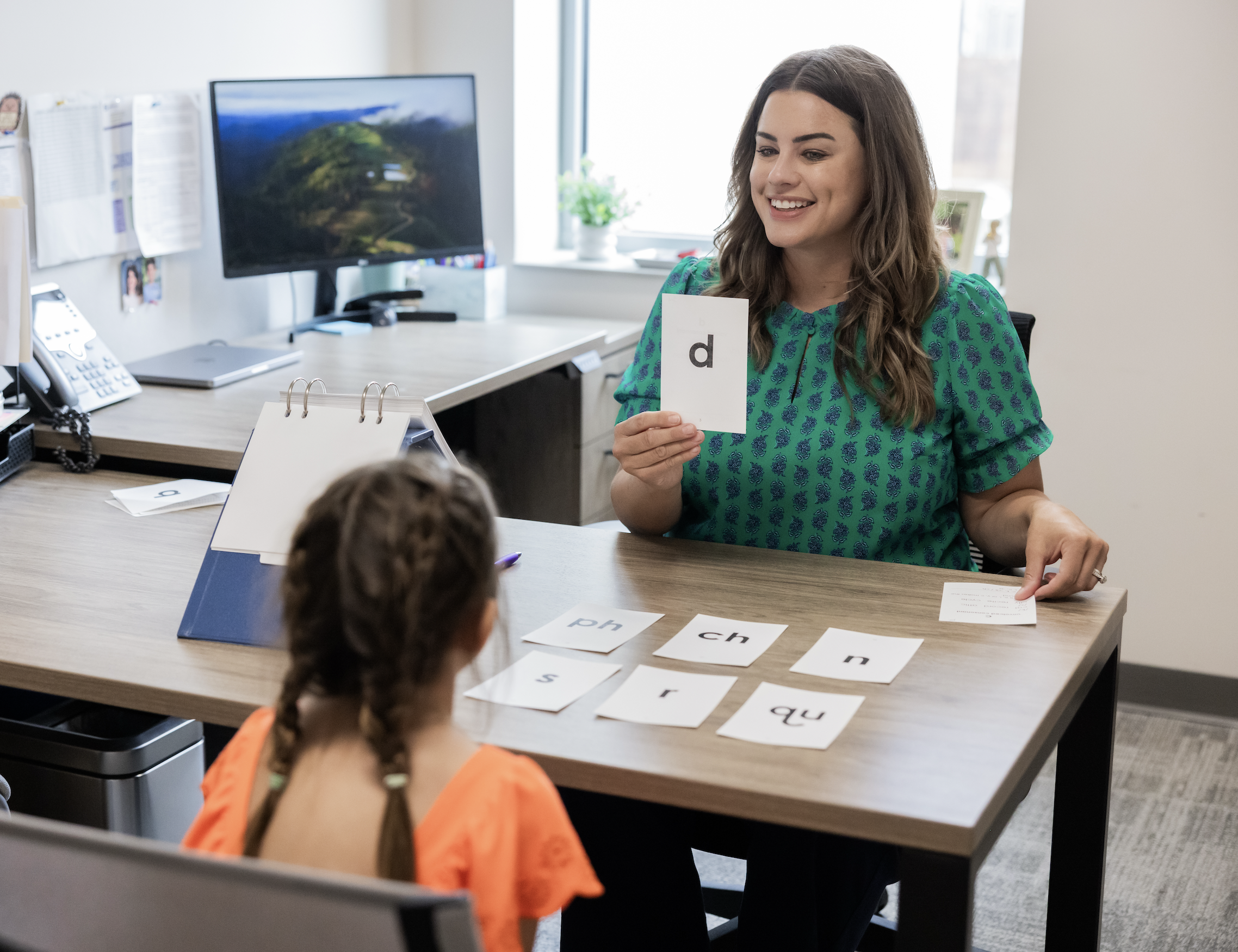
These examples are common in children with dyslexia. Does this sound like your child? Contact us at Springer Diagnostic Center for a consultation or dyslexia evaluation. You are also welcome to join us on November 7th for a free reading screening that will include a determination around your child’s risk of having dyslexia.
Fortunately, dyslexia is a well studied and well understood condition. It is also one where the treatment option is very clear. The dyslexic child must participate in a structured literacy program, such as Wilson Reading System, in order to make meaningful progress in their reading. Springer School and Center proudly implements best practices in supporting children with dyslexia in all programming, including tutoring and school for grades 1-12. Springer is accredited by the International Dyslexia Association.
Explore our collection of fact sheets and articles to learn more about reading development, dyslexia, and evidence-based strategies for supporting children with reading challenges:
- IDA Dyslexia Handbook: What Every Parent Should Know
- Screening for Reading: What Is It and Why Is It Important?
- Why Early Intervention Matters for Kids with Dyslexia
Thank you to Molly Bernosky, Director of Springer Diagnostic Center, for sharing these insights.