Beyond the Books: How Executive Functioning Shapes Learning
October 21, 2026
Why the Right School Can Change Everything
For students with learning disabilities, the right environment can change more than grades. It can change how they see themselves.
Many families will agree that a specialized school wasn't part of the original plan. Maybe your child has worked incredibly hard but still feels like they're falling behind. Maybe homework has become a nightly battle. Maybe you've heard, "They're so bright - I just wish they would apply themselves," even though you know how much effort they're already putting in.
If that sounds familiar, you're not alone. One of the questions we hear most often at Springer is, "How do I know if a specialized school is the right fit?"
There's no one-size-fits-all answer. Many students with learning disabilities can thrive in their local schools with the right supports. But for others, a school designed specifically for how they learn can make a remarkable difference.
It's Not About Learning Less - It's About Learning Differently
There's a common misconception that specialized schools have lower expectations. The truth is, they change the approach, not the goal.
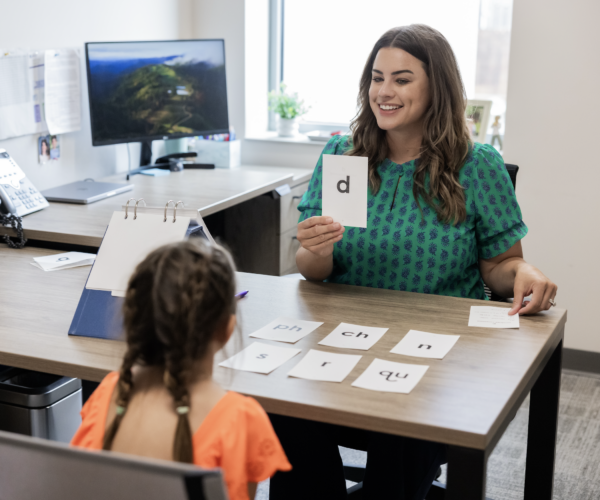
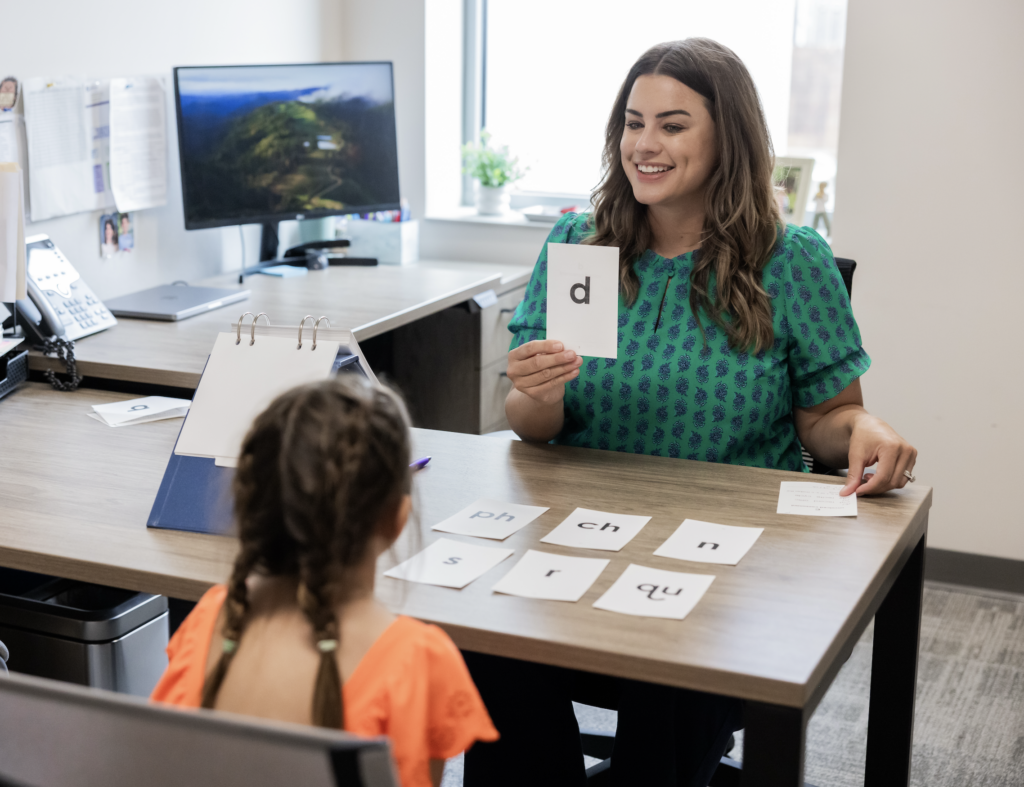
Students with dyslexia, ADHD, dyscalculia, and other learning disabilities are just as capable as their peers. They simply need instruction that's designed for how their brains learn best. Research from the National Center for Learning Disabilities and the National Center on Improving Literacy shows that students make the greatest gains when instruction is explicit, evidence-based, and tailored to their learning needs. That's exactly what a specialized school is built to do.
Imagine Feeling Understood
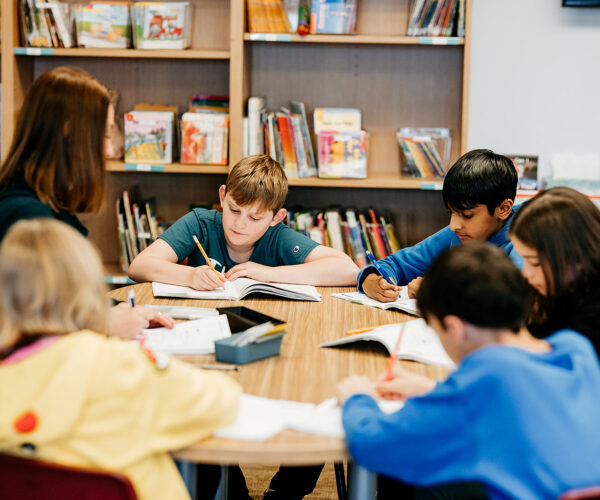
Think about what it's like for a student who spends every day trying to keep up. Now imagine walking into a classroom where teachers already understand why reading takes longer, why organization is difficult, or why sitting still isn't always easy.
There's no need to explain. There's no embarrassment about asking for help. There's no feeling like you're the only one. Instead, students spend their energy learning, not hiding their struggles.
“Ever since I was a kid, I had a hard time with reading, math, language, and writing skills. But here at Springer, people have taught me how to do all of these things. My math teacher has made helpful strategy pages for me and great tricks to help me with math problems. My ELA teacher has taught me things to help me with my word usage and my overall writing skills. Also, my Wilson and Just Words teachers have helped me with my language skills by teaching me how to pronounce words and teaching me different rules to help me spell. All of these things have helped me to become the person I am today.”
- Sam, Springer Class of 2026
Confidence Grows Alongside Skills
Parents often tell us that one of the first things they notice isn't a report card - it's confidence.
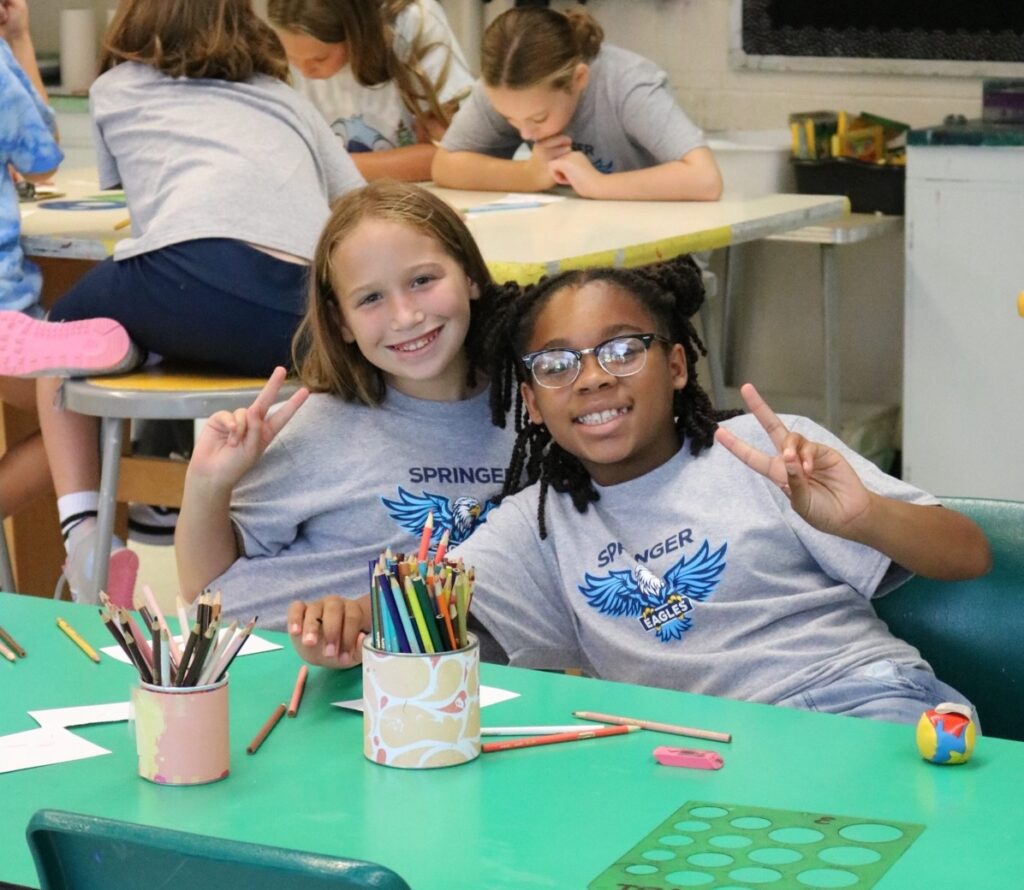
Students begin raising their hands. They volunteer to read. They join clubs. They try new things without worrying about making mistakes.
That matters because confidence and learning go hand in hand. Research by psychologist Carol Dweck has shown that students who believe they can grow are more willing to take on challenges and persist when learning gets difficult.
Success builds confidence, and confidence often opens the door to even greater success.
“Everyone has a little flame inside them that has not been able to grow. Sometimes it needs help being lit and Springer was my igniter. It taught me everyday skills like tapping words. Springer makes things fun. Before coming here all I did was stare out the window waiting for lunch. My fire will now burn bright for everyone to see.”
- Chloe, Springer Class of 2026
Learning Isn't Just About Academics
Reading, writing, and math are important, but they're only part of the picture. Students also need to learn how to organize their work, manage their time, advocate for themselves, solve problems, and understand how they learn best. Those executive functioning and self-advocacy skills become just as important in college, the workplace, and everyday life as academic knowledge.
At Springer, these skills are woven into the school day, because they're skills students will use long after they leave our classrooms.
Families Find Support, Too
Choosing a new school can feel overwhelming. Many families tell us they worried they were "giving up" on traditional school or wondered if they were making the right decision. Then they discover something unexpected: they finally feel understood.
They're surrounded by teachers who understand learning differences. They meet other parents who've had similar experiences. They celebrate progress with people who truly appreciate how meaningful each milestone can be. That sense of community often becomes just as valuable as the academic support.
“Springer truly understands how each child learns and meets them where they are. Watching my son become more confident, feel understood, and actually enjoy school has meant everything to me. You’re joining a community that genuinely cares about your child and wants to see them succeed.”
- Springer Parent
The Right Fit Looks Different for Every Child
There's no single path to success for students with learning disabilities. Some students flourish in traditional classrooms with accommodations and support. Others thrive in an environment where every teacher, every classroom, and every lesson is intentionally designed around how they learn. Neither path is better. The goal is finding the environment where your child feels challenged, supported, and confident enough to grow.
Why Springer?
At Springer, we believe students are so much more than their learning disabilities. We see creative thinkers, curious learners, talented artists, future engineers, compassionate leaders, and resilient problem-solvers. Our job is to help students recognize those strengths while giving them the instruction, strategies, and confidence they need to reach their goals.
Every day, we see students discover that they can become strong readers, effective self-advocates, organized learners, and confident young adults. We see families find hope after years of uncertainty. And we see what happens when students stop wondering if they're capable and start believing in themselves.
Because the right school doesn't just change how a student learns. It can change how they see their future.