Making the Holidays Merry and Manageable
November 18, 2026
It Takes a Team: Building Stronger Family-School Partnerships
Your child might breeze through an assignment at school but struggle to get started at home. Or, maybe a strategy that works wonders in the classroom falls flat at the kitchen table. Sound familiar?
Parents and teachers each see a different side of a student's learning experience. Parents understand their child's personality, interests, frustrations, and what helps them thrive. Teachers see how students approach learning, navigate challenges, and use strategies throughout the school day.
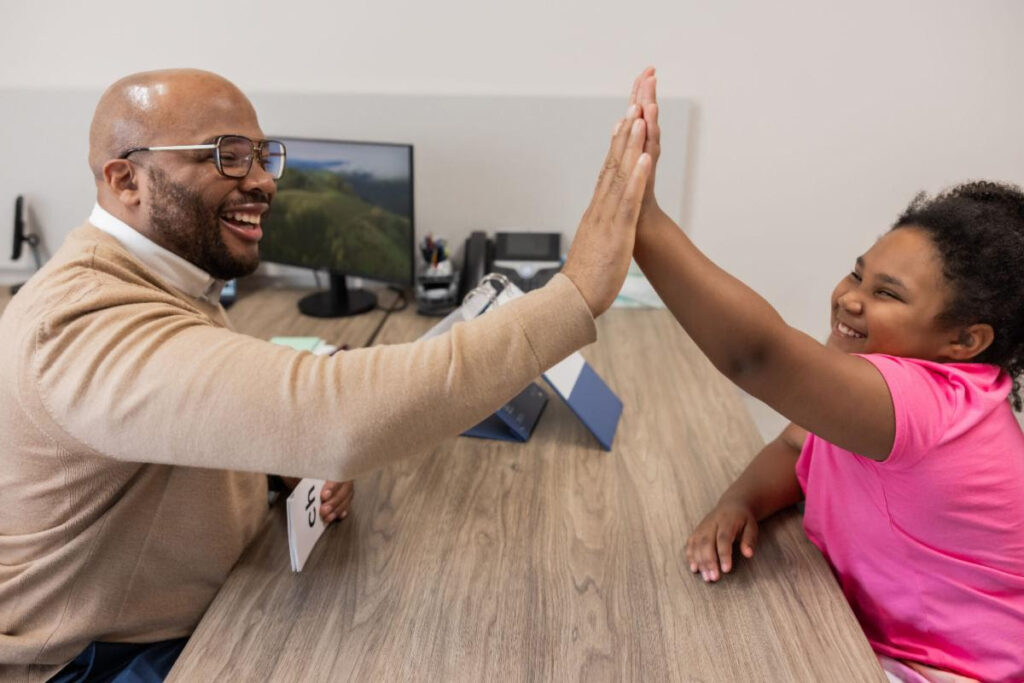
For students with learning differences, bringing those perspectives together can make a meaningful difference. When families and educators work as a team, students benefit from more consistent support, stronger communication, and opportunities to build independence.
Building a partnership doesn't require a complicated plan. A few small, intentional steps can go a long way.
Start with What You're Seeing
Families should focus on sharing information that helps everyone better understand the student, like observations and examples of what they are seeing at home.
Rather than saying, “Homework is a disaster,” offer a specific observation: “Math homework has been taking about an hour each night, and getting started seems to be the hardest part.”
When reaching out to a teacher, try this simple formula:
What I’m noticing + what my child is saying + what I’m wondering.
For example: “I’ve noticed that Sam is spending much longer on reading assignments lately. He says he has trouble remembering what he reads. Are you seeing anything similar at school, and are there strategies that seem to help?”
Specific observations give teachers something concrete to respond to and make it easier to identify solutions together.
Think Small to Make Big Progress
“Be more organized.” “Take more responsibility.” “Become more independent.”
These are great goals, but they can feel overwhelming to students - especially those navigating executive functioning challenges. The trick? Break big goals into small, specific actions students can practice every day.
Rather than “Be more organized,” try “Check your planner before leaving school each day.”
Instead of “Take more responsibility,” try “Pack your backpack using a checklist each evening.”
Instead of “Advocate for yourself,” try “Ask your teacher for clarification when you’re unsure about an assignment.”
Pick one skill at a time, decide what success looks like, and give the student time to practice. Parents and teachers can also use similar language to reinforce the same skill across settings.
Coach, Don't Rescue
When your child gets stuck on homework, it's tempting to jump in and fix the problem. But sometimes, the most helpful thing you can do is take a step back. Rather than providing the answer, try asking questions that guide your child toward figuring out the next step:
“What’s the first step?”
“What strategy have you used for this before?”
“What could you check?”
“Who could you ask for help?”
“Do you want help making a plan or getting started?”
If your child regularly needs significant help to complete an assignment, let the teacher know. That information can be just as useful as the completed homework itself.
Find What Works - and Keep It Consistent
Ask teachers about tools or language that are already working at school. If a student uses a checklist to organize materials, a particular system for breaking down assignments, or a strategy for taking a break when frustrated, consider whether the same approach could work at home.
The fewer systems students have to juggle, the easier it can be to build lasting habits. But consistency doesn't mean overhauling everything at once. Start with one strategy, practice it for a few weeks, and see what's working.
Give Your Child a Seat at the Table
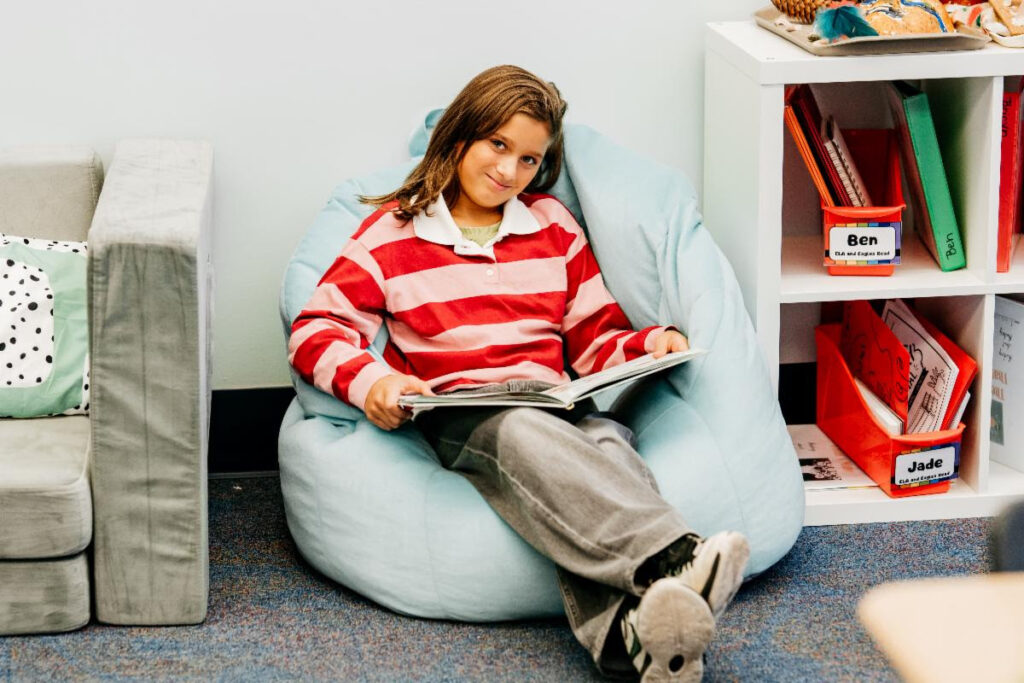
The most important member of the family-school team? The student! As children grow, they should have more opportunities to share their perspectives, identify what helps them learn, and participate in conversations about their own progress.
For younger students, that might mean sharing one thing that's going well or identifying a strategy they like. Older students might take the lead in emailing a teacher, asking for clarification, or participating in a conference.
These small opportunities help students develop an essential skill: self-advocacy. And with supportive adults cheering them on, they can practice speaking up for themselves in a safe, encouraging environment.
Celebrate the Wins, Big and Small
It’s easy to save communication for problems, but sharing wins is important too. If a new homework routine is helping, tell the teacher. If your child independently uses a strategy learned at school, point it out. If a teacher’s suggestion made evenings easier, share that feedback. And most importantly, tell the student.
“You remembered to check your assignment list before you started. That system seems to be working.”
“You weren’t sure what to do, so you emailed your teacher. That was good self-advocacy.”
Recognizing these small successes helps students understand which strategies work for them and builds confidence to use those strategies independently.
One Team, One Shared Goal
Strong family-school partnerships aren't built through perfect communication or having all the answers. They're built through small conversations, shared strategies, and a commitment to helping students grow.
Not sure where to start? Choose one skill your child is working on. Ask their teacher what's working at school, and explore how you might reinforce that strategy at home.
Remember, the goal isn't for adults to do everything for the student. Over time, it's for the adults to do a little less and the student to do a little more.
When families and educators work together, students gain more than support. They gain the confidence to understand how they learn, advocate for what they need, and take greater ownership of their success.