Summer Learning, Springer Style
June 25, 2026
From Recycled Materials to Remarkable Art: Springer Students Bring Denver the Turtle to Life
July 8, 2026
The Superpower of Self-Belief
Think about a time when you felt confident trying something new. Maybe it was learning a new skill, starting a new job, or tackling a project that felt a little intimidating. Chances are, your confidence didn't come from knowing exactly what to do - it came from believing you could figure it out.
The same is true for students.
Confidence plays a powerful role in learning. It influences whether students are willing to take risks, persevere through challenges, and believe they are capable of growth. For students with learning differences such as ADHD, dyslexia, and executive functioning challenges, confidence can be especially important.
Confidence Encourages Students to Try
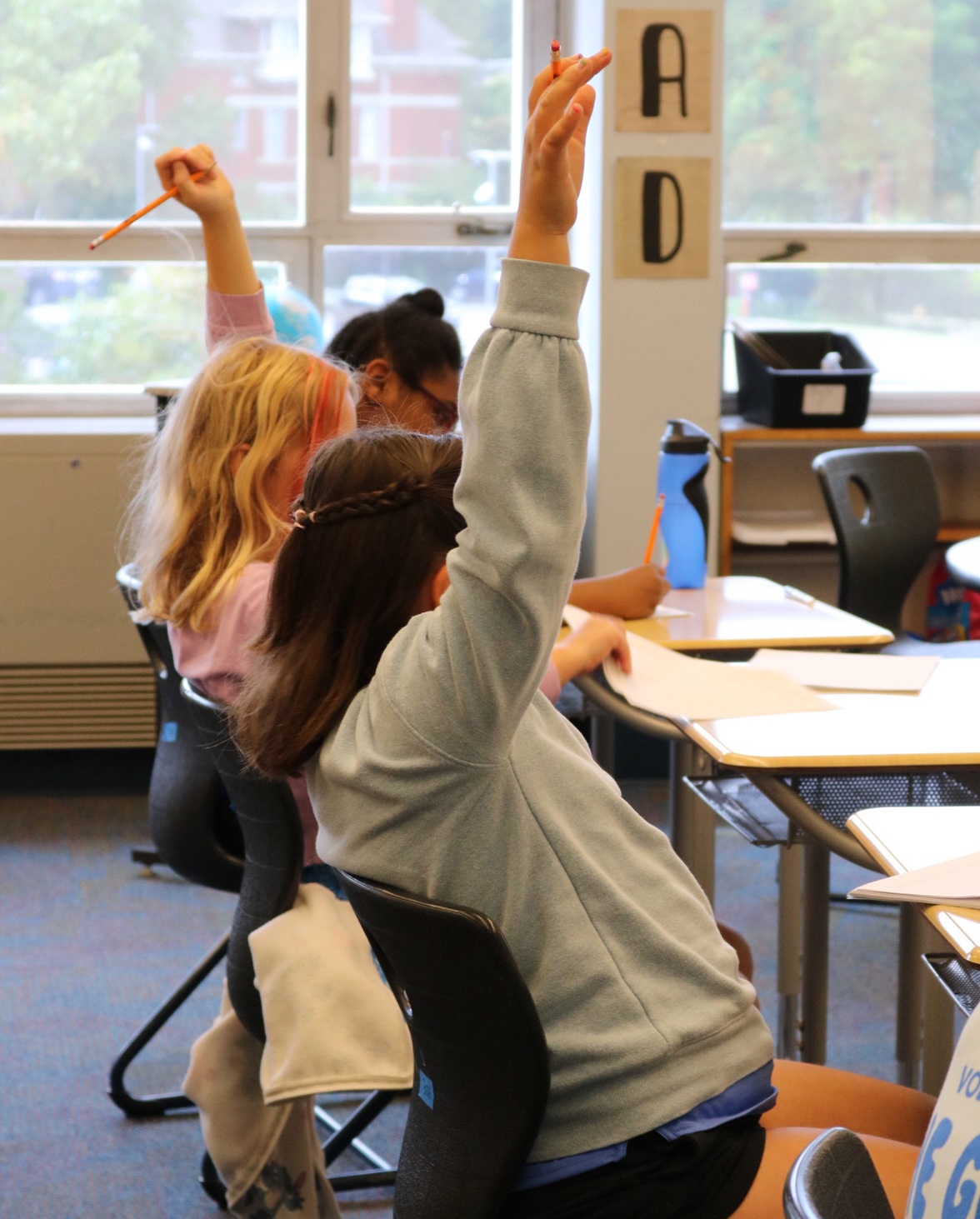
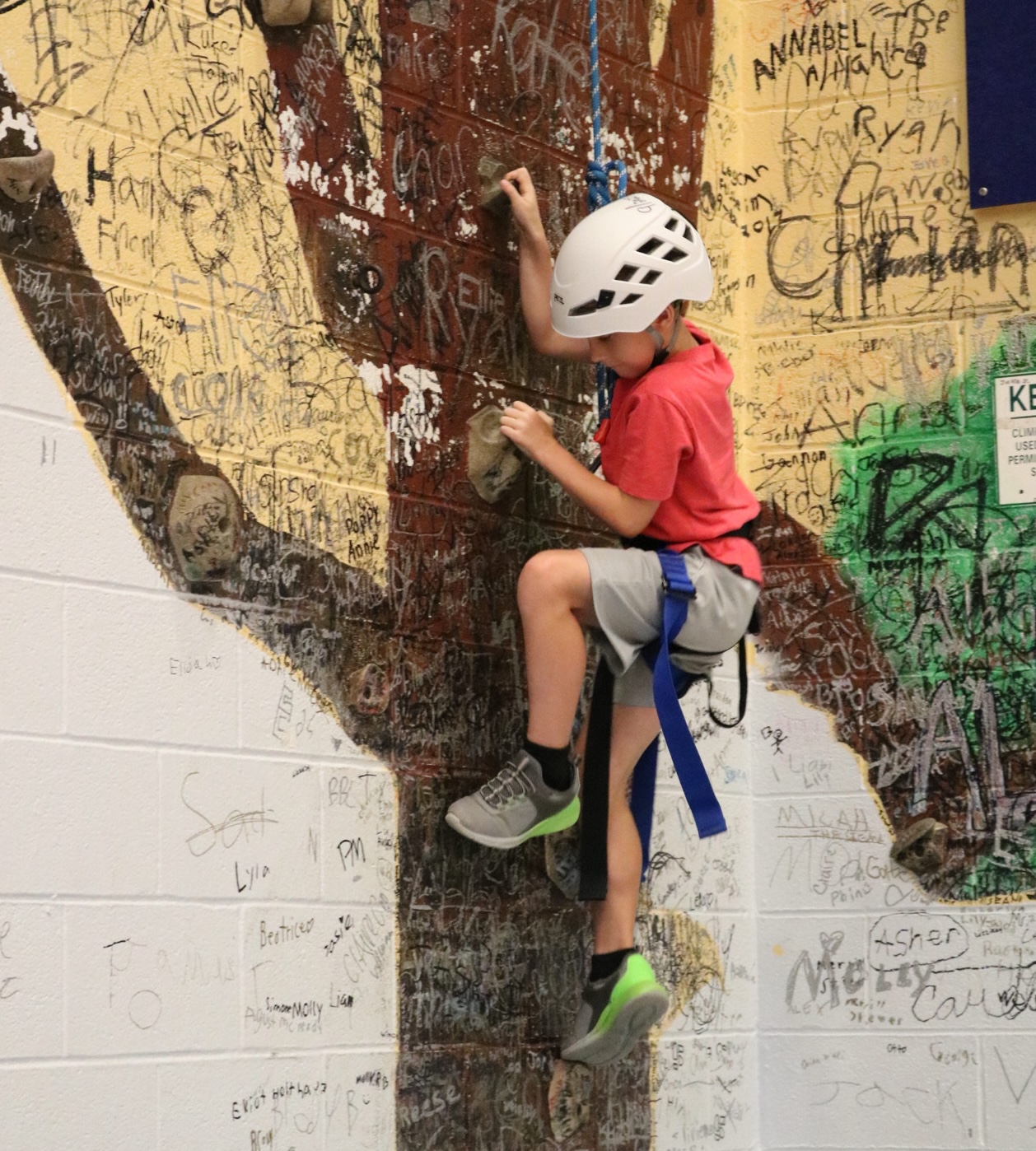
Learning requires students to step outside their comfort zones every day. They raise their hands to speak aloud in class, attempt challenging assignments, and try new strategies when old ones aren't working.
When students lack confidence, they often become more hesitant to take those risks. They may avoid difficult tasks, stay quiet during class discussions, or decide they're "just not good" at something before they've had a chance to improve.
Confidence doesn't mean being certain you'll succeed. It means believing it's worth trying.
Confidence Helps Students Keep Going
Every learner encounters setbacks. A difficult test, a challenging reading assignment, or a project that doesn't go as planned can be frustrating for any student.
Students who have confidence in themselves are often better equipped to bounce back from those moments. They are more likely to ask for help, try a different approach, and keep working toward a goal.
For many students with learning differences, this persistence develops over time through supportive relationships, meaningful successes, and opportunities to recognize their own growth.
Confidence Shapes How Students See Themselves
One of the biggest challenges many students with learning differences face is not the learning difference itself - it's the message they begin to tell themselves about it. After enough struggles, some students start to focus only on what is difficult. They may overlook their creativity, problem-solving abilities, sense of humor, kindness, leadership skills, or determination.
Building confidence helps students develop a more balanced view of themselves. They begin to recognize that challenges are only one part of their story.
How Families Can Help
Confidence isn't built through compliments alone. It grows through experiences.
Families can help by:
- Celebrating effort and growth
- Encouraging students to try new things
- Helping children identify their strengths
- Allowing room for mistakes and problem-solving
- Pointing out progress, even when it feels small
Over time, these experiences help students develop a stronger belief in their ability to handle challenges.
A Lasting Impact
Confidence affects much more than academics. It influences friendships, self-advocacy, independence, and future goals. When students believe in themselves, they're more likely to take healthy risks, pursue new opportunities, and keep going when things get tough.
At Springer, we see the impact of confidence every day. When students feel understood, supported, and capable, they begin to see themselves differently - not as learners defined by their challenges, but as individuals with strengths, potential, and a bright future ahead.
That belief in themselves can be one of the most powerful tools they carry with them long after they leave the classroom.