Navigating Summer Anxiety with Confidence and Support
June 3, 2026
Supporting Summer Growth for Neurodivergent Learners
June 18, 2026
Building Confidence Through Career Exploration
For many teens, thinking about the future can feel exciting, overwhelming, or both. Questions like What am I good at? What kind of job would I enjoy? How do I even start? can feel especially big for students who learn and think differently.
For neurodivergent teens, including students with ADHD and dyslexia, career exploration is not just about choosing a future job. It is about discovering strengths, building self-awareness, practicing real-world skills, and learning how to advocate for the supports and environments that help them thrive.
Career readiness does not happen all at once. It grows through small, practical experiences over time.
Start with Strengths, Interests, and Self-Knowledge
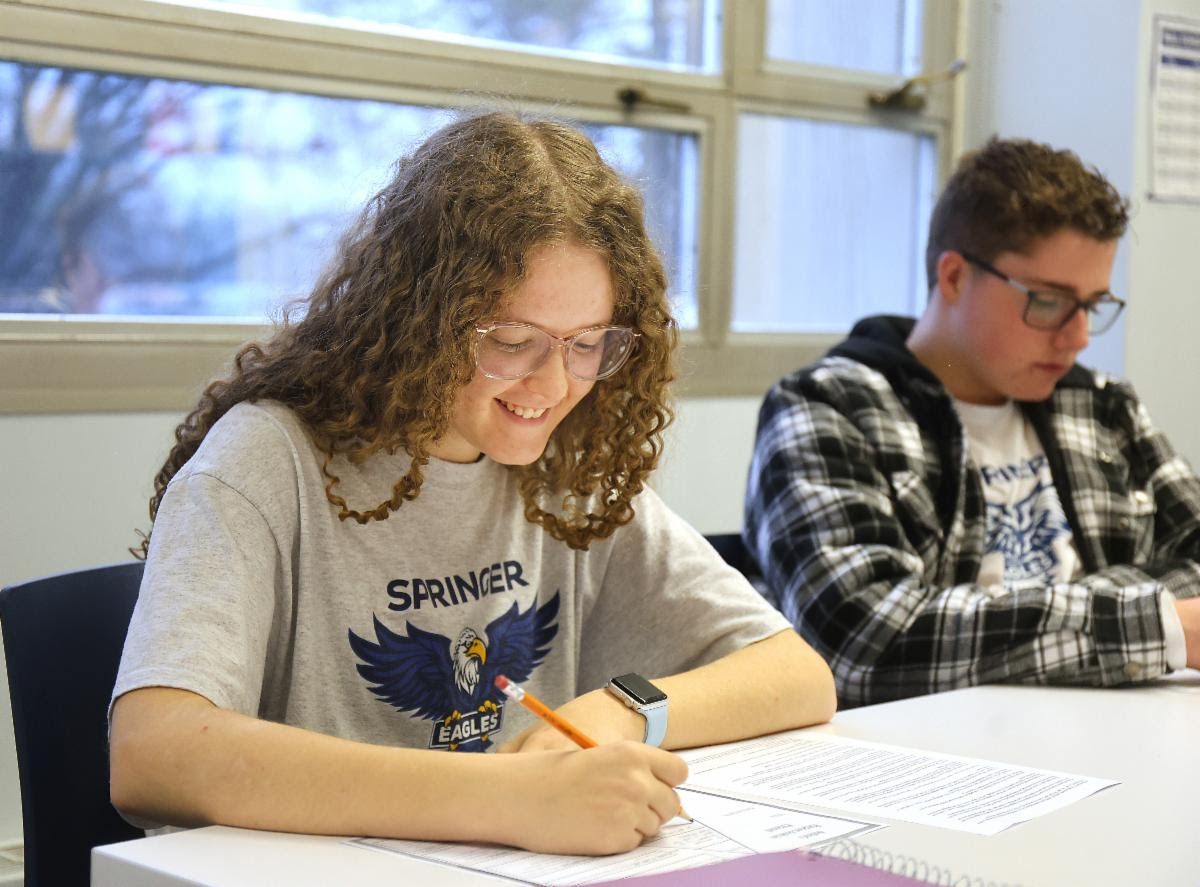
Before teens begin searching for jobs or internships, it helps to start with self-reflection. Many students with ADHD and dyslexia bring powerful strengths to the workplace, including creativity, problem-solving, big-picture thinking, empathy, and curiosity.
Helpful questions might include:
- What activities make time go by quickly?
- What kinds of problems do I like solving?
- Do I prefer working with people, ideas, tools, technology, animals, or creative projects?
- What kinds of tasks drain my energy?
- What helps me stay focused, organized, and confident?
For neurodivergent teens, this self-knowledge is especially important. A job may be a good fit not only because it matches a student’s interests, but because the environment, pace, expectations, and communication style match how that student functions best.
Make Career Exploration Hands-On
Teens do not need to know their “forever career” in high school. The goal is not to choose one perfect path. The goal is to explore.
Hands-on experiences can help students move from abstract ideas to real understanding. These might include job shadowing, volunteering, career days, informational interviews, summer jobs, internships, or helping with projects in a family business or community organization.
For students with learning differences, seeing a career in action can be especially valuable. A student may discover that they enjoy a busy workplace, feel confident using tools, like working with children, or prefer creative problem-solving over desk-based tasks. They may also discover what they do not like - and that is valuable, too.
Internships Build More Than a Resume
Internships can be a powerful way for teens to build confidence and career awareness. A good internship gives students the chance to learn workplace routines, practice communication, develop responsibility, and understand how their strengths show up in real settings.
Internships do not have to be highly specialized to be meaningful. A teen might help with social media for a nonprofit, assist at a summer camp, support office tasks, work with animals, shadow a healthcare professional, or help a local business. What matters most is that the experience includes learning, responsibility, and reflection.
Internships can also help students answer important questions: What kind of environment helps me stay focused? Do I need written directions or verbal check-ins? How do I manage time at work? How do I ask for clarification when I am unsure?
These insights are valuable not only for future employment, but also for college, training programs, and adult independence.
Preparing for Interviews
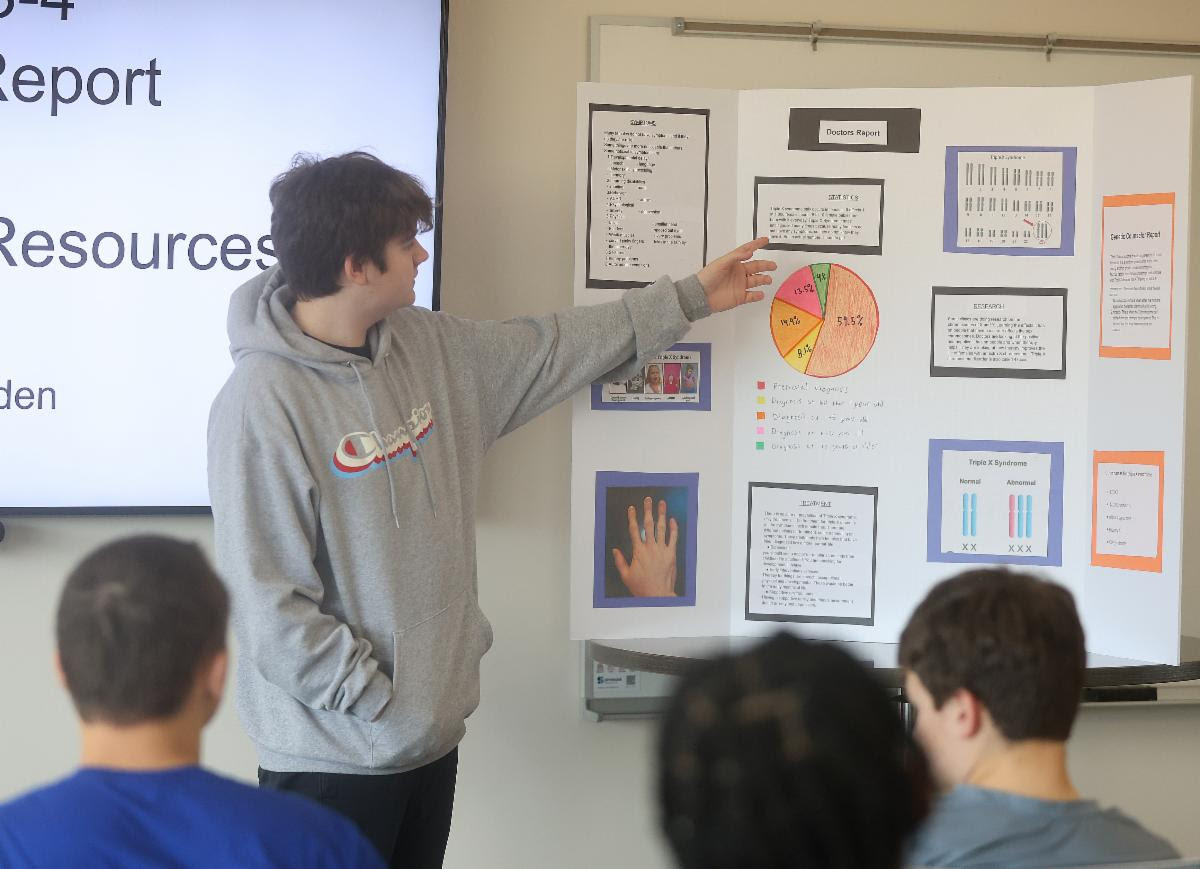
Interviewing can be intimidating for many teens. Neurodivergent students may find interviews even more stressful if they have difficulty with working memory, processing speed, attention, or thinking quickly under pressure.
Preparation can make a big difference. Students should practice answering common questions out loud, such as:
- Tell me about yourself.
- Why are you interested in this position?
- What are your strengths?
- Tell me about a time you solved a problem.
- How do you handle feedback?
- What do you do when you are unsure how to complete a task?
It can help to prepare a few short stories ahead of time using examples from school, extracurricular activities, volunteering, or sports. A student who struggles with writing may prefer to talk through answers first, then jot down bullet points. A student with ADHD may benefit from practicing concise answers using a simple structure: situation, action, result.
Teens can also prepare questions to ask the interviewer: What does a typical day look like? How are new employees trained? Who would I go to if I had questions? What qualities help someone succeed in this role?
Building Self-Advocacy in the Workplace
Career exploration is also a chance for students to practice self-advocacy. Neurodivergent teens benefit from learning how to ask for what they need in clear, professional ways.
This does not necessarily mean disclosing a diagnosis. Instead, students can ask for supports connected to how they work best. For example:
- Could you show me an example of what you’re looking for?
- Would you mind writing down the steps?
- Can I repeat that back to make sure I understood?
- I work best when I know the deadline and top priority.
- Could we check in after I complete the first part?
Knowing how to self-advocate is a workplace skill that benefits everyone.
Career Readiness Is a Process
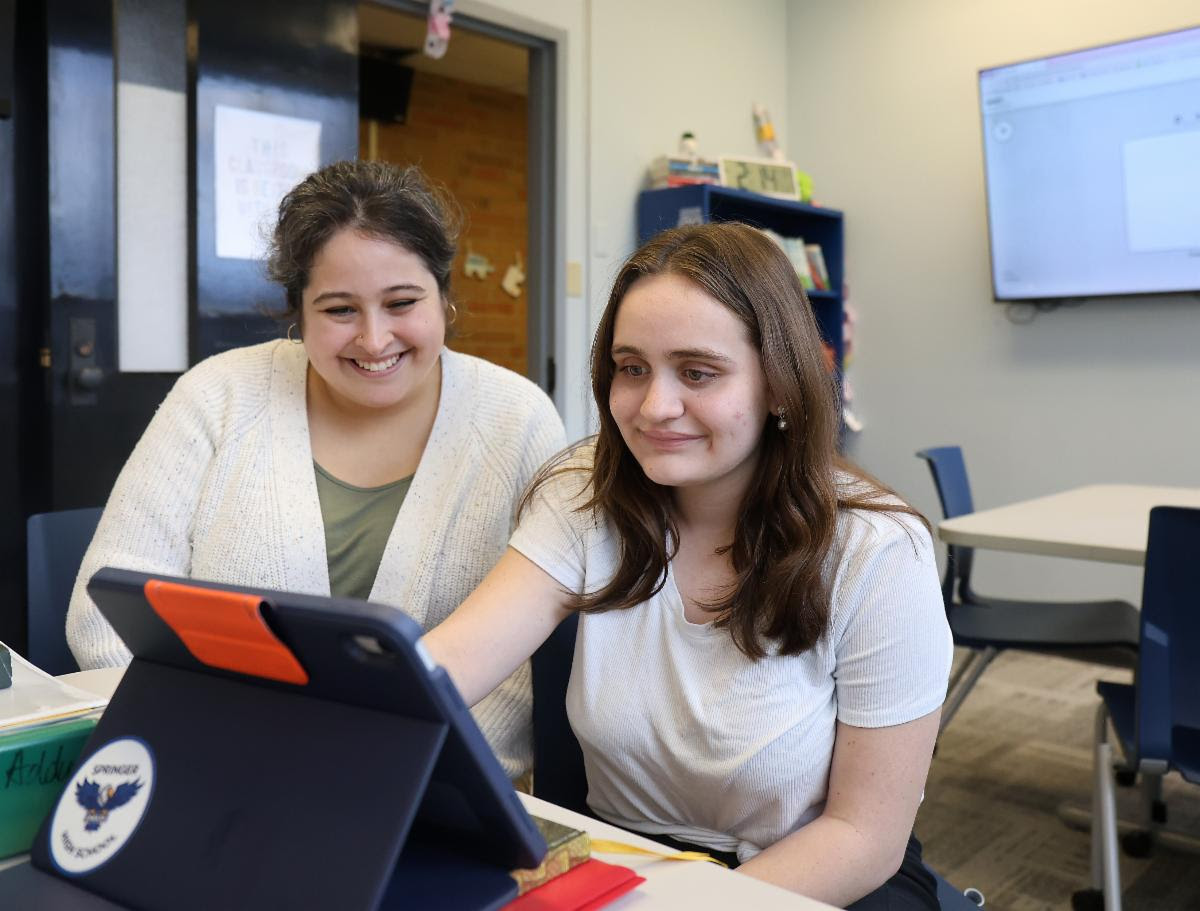
Career exploration is not about having all the answers right away. It is about helping teens build a clearer understanding of who they are, what they enjoy, how they learn, and what kinds of environments help them succeed.
For students with ADHD, dyslexia, and other learning differences, that process can be especially empowering. Each job search, internship, interview, and workplace experience helps students practice executive functioning, communication, responsibility, and self-advocacy.
Over time, those experiences build more than a resume. They build confidence, independence, and a stronger sense of possibility for the future.