Recognizing Overload: Helping Students Recharge and Rebuild
November 5, 2026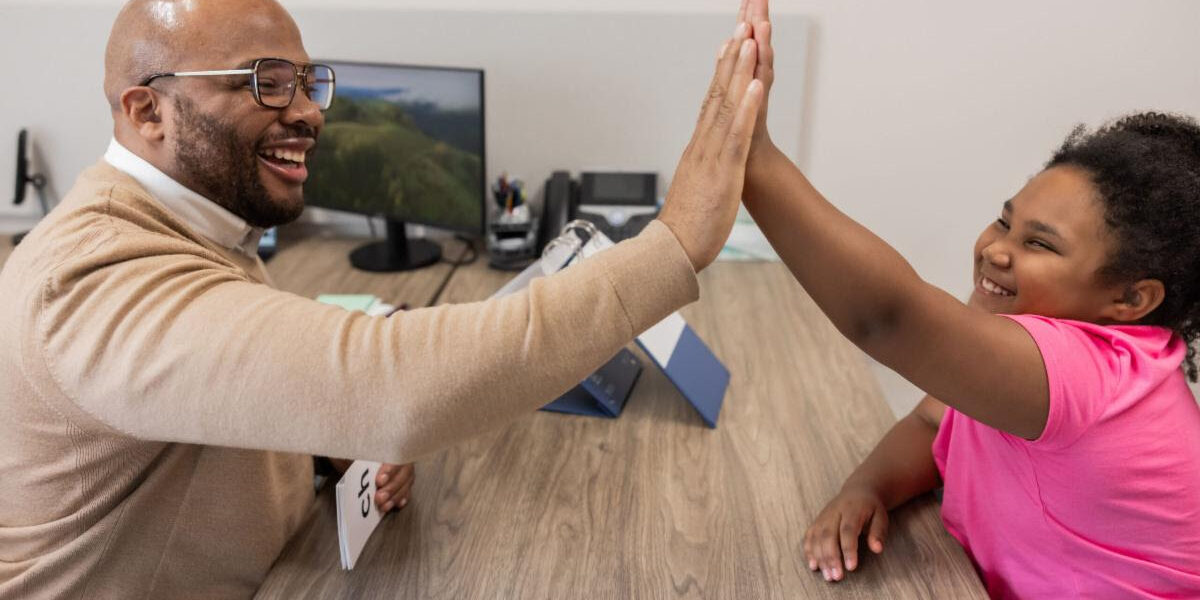
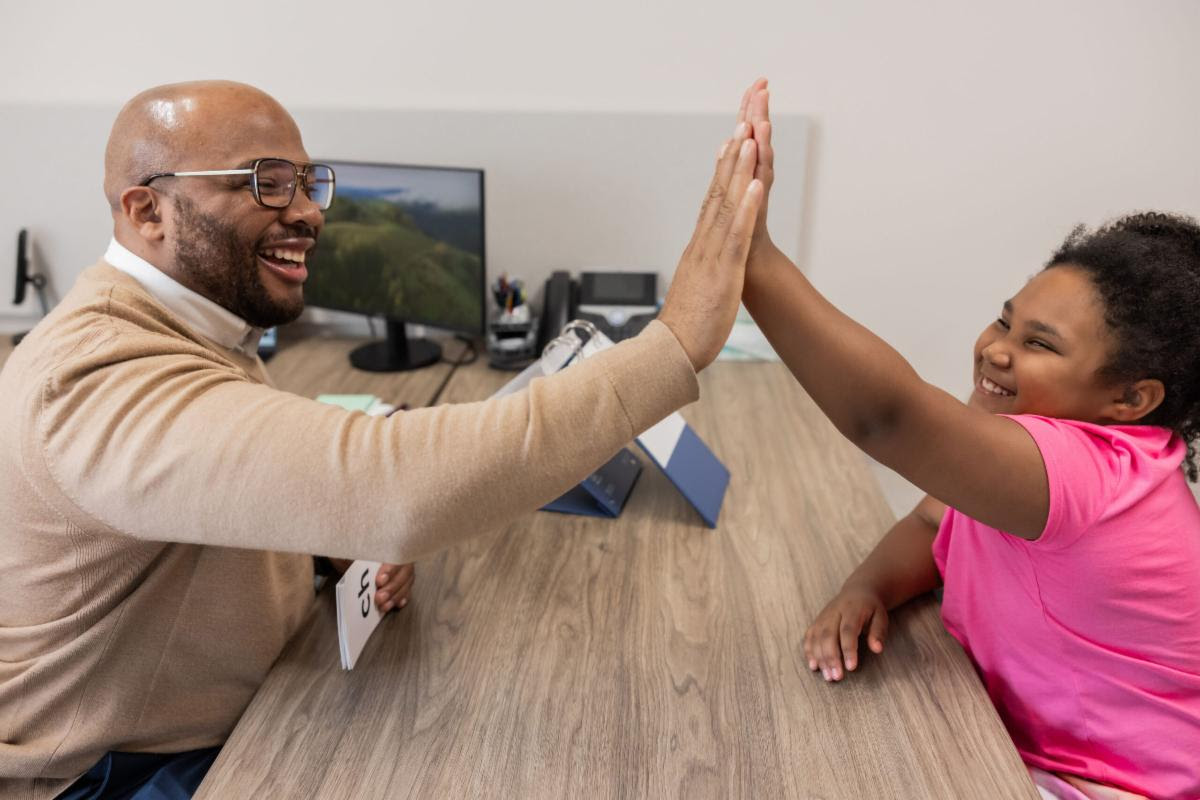
Small Wins, Big Growth: Why Little Victories Matter
When was the last time you celebrated your child's progress? Not a perfect report card or a big achievement, but something smaller. Maybe they started their homework without being asked. Maybe they spoke up when they needed help. Or, maybe they tackled a tricky reading assignment instead of giving up.
For students with learning differences, these everyday victories are anything but small. Noticing and celebrating these wins can help students build the motivation, confidence, and persistence they need to tackle bigger challenges.
Small Wins and the Brain
Have you ever noticed how checking something off your to-do list can make you feel ready to tackle the next thing? There's a reason for that!
Motivation isn't just about wanting something badly enough. It involves brain systems that help us recognize rewards, decide where to focus our energy, and keep going when things get tough.
Dopamine, a brain chemical linked to motivation and learning, plays an important role in this process. When students recognize that they're making progress, it can help reinforce what's working and motivate them to keep going. That's why breaking big goals into smaller, achievable steps can make challenges feel less overwhelming and success feel more within reach.
For a student struggling with a research paper, “finish the paper” may not provide much motivation today. But choosing a topic, finding three sources, or writing the first paragraph creates achievable milestones.
Each one provides evidence: I’m making progress.
Success Changes What Students Believe
Students with learning differences often work incredibly hard at things that may come more easily to their peers. Over time, repeated frustration can chip away at their confidence, leading to thoughts like "I'm just not good at this" or "Why even try?" Instead, focusing on small wins can make a big difference.
A student who remembers their planner three days in a row isn’t suddenly a master of organization. But they're discovering that they can become more organized. A student who asks for help has evidence that they can advocate for themselves.
That’s where having a growth mindset comes in. Growth mindset isn’t about telling students they can accomplish anything if they simply try hard enough. It’s helping them understand that skills develop through practice, strategies, support, feedback, and persistence. Small wins make that growth visible.
Celebrate the Process, Not Just the Outcome
How we celebrate matters just as much as what we celebrate. Imagine a student earns a good grade after trying a new study strategy. It's tempting to say, “You’re so smart!”
Instead, try something like: “You really stuck with that study plan. What do you think worked?” That small shift encourages students to recognize the strategies and choices that contributed to their success, giving them something they can use again.
Success isn't always about getting the right answer. Sometimes it's about getting started, asking for help, trying a different approach, managing frustration, or bouncing back after a tough day. Those moments deserve recognition, too!
Three Simple Ways to Celebrate Small Wins at Home
You don't need an elaborate reward system or special occasion to celebrate progress. Sometimes the simplest changes make the biggest difference.
1. Break big goals into bite-sized steps.
"Get caught up in math" can feel overwhelming. "Complete the first three problems" can feel much more manageable. The same goes for cleaning a bedroom, studying for a test, or tackling a big project. Start small and build momentum.
2. Catch progress in action.
Don't wait until the task is finished to recognize a job well done. A quick "I noticed you got started without a reminder. That's progress!" can reinforce the effort and independence your child is developing.
3. Help your child spot their own wins.
Try asking questions like "What went better today than yesterday?" or "What's something you can do now that was harder a month ago?" You might be surprised by what they notice!
The goal isn't to celebrate every little thing with fanfare. It's to help students recognize their growth and understand what helped them get there.
Big Growth Begins with Small Steps
Confidence and independence don't happen overnight. They're built one decision, one strategy, and one small victory at a time.
For students with learning differences, progress might look different from day to day. Some days bring big breakthroughs. Others are about trying again after something didn't go as planned. Both are part of learning.
The next time your child takes a small step forward, don't overlook it. What seems like an ordinary moment today could be helping build the confidence they need for tomorrow.
Sometimes, the smallest wins lead to the biggest growth.