ADHD and the Power of Fidgeting: Why Movement Helps the Brain Focus
February 27, 2026
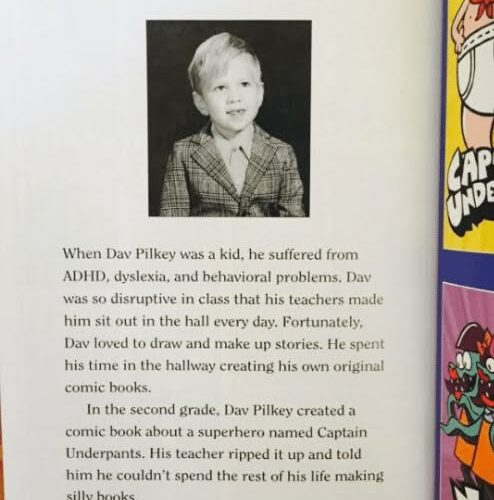
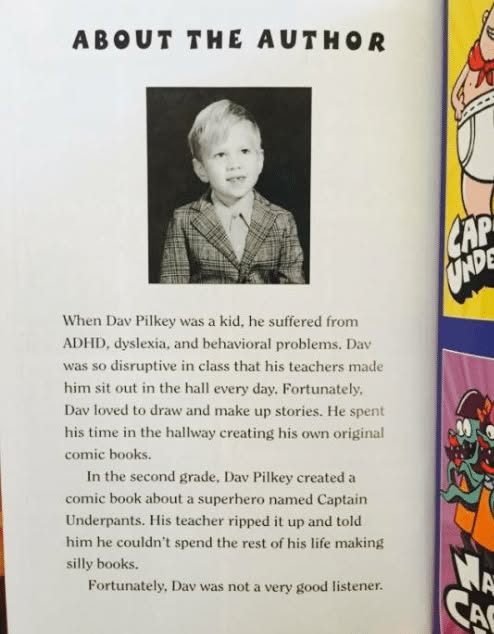
From the Hallway to the Bestseller List: What Author Dav Pilkey Teaches Us About Learning Differences
March 13, 2026
Understanding (and Celebrating) Girls Who Learn Differently
Today on International Women’s Day, we celebrate the achievements, resilience, and contributions of women around the world. It is also an important opportunity to reflect on how girls and women experience the world differently, including how learning differences like ADHD are understood and supported.
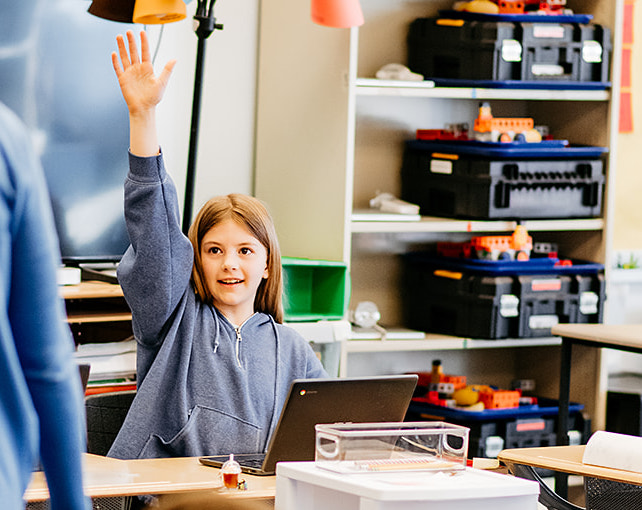
For many girls, ADHD does not look the way people expect it to. As a result, countless bright, capable learners go undiagnosed for years - sometimes well into adulthood. At Springer, where we specialize in supporting students with learning differences, we see firsthand the transformative power of understanding a student’s unique brain profile, especially for girls who may have quietly struggled for a long time.
Why ADHD in Girls Is Often Missed
For decades, ADHD research and diagnostic criteria were based largely on studies of boys. Boys are statistically more likely to display externalized behaviors, like hyperactivity, impulsivity, and disruptive classroom behavior, which are easier to spot.
Girls, however, are more likely to experience inattentiveness (appearing “daydreamy” or distracted), internalized anxiety, perfectionism, emotional sensitivity, social masking (working hard to hide their struggles), and exhaustion from trying to “keep it together.” As a result, these girls may be labeled "unmotivated" or "too emotional." Underneath the surface, many are working twice as hard to manage executive functioning demands: organizing materials, starting tasks, managing time, regulating emotions, and remembering directions.
Signs a Girl May Be Struggling (Even If She’s Getting Good Grades)
ADHD in girls does not always show up in obvious academic struggles. Some common signs include:
- Chronic procrastination followed by late-night bursts of work
- Intense emotional reactions or frequent self-criticism
- Difficulty sustaining attention on non-preferred tasks
- Trouble keeping track of belongings
- Social overwhelm or shifting friendships
- Strong creativity paired with inconsistent output
- Anxiety tied to performance
If these patterns sound familiar, it may be worth exploring a deeper understanding of how your child learns and processes information.
How to Support Undiagnosed or Newly Identified Learners
Whether or not a formal diagnosis is in place, supportive strategies can make a significant difference:
🌱 Focus on Executive Functioning Skills
Explicit instruction in planning, prioritizing, time management, and organization can reduce frustration and build independence.
🧠 Normalize Brain Differences
Help girls understand that neurodiversity is not a flaw - it is a difference in wiring. When we frame ADHD as a brain-based difference, we reduce shame and increase self-advocacy.
💬 Reduce the “Try Harder” Narrative
Many girls with ADHD are already trying incredibly hard. Support works best when we shift from “try harder” to “try differently.”
📅 Build Predictable Routines
Visual schedules, checklists, structured homework routines, and breaking tasks into smaller steps help externalize what the brain struggles to hold internally.
💛 Support Emotional Regulation
Girls with ADHD often experience heightened emotional responses. Teaching coping strategies, mindfulness skills, and self-compassion can strengthen resilience.
A Message of Empowerment
On this International Women’s Day, we celebrate not only women’s achievements, but also the diverse ways women’s brains work. Girls with ADHD are often creative thinkers and innovative problem-solvers who are deeply empathetic, highly intuitive, and full of passion and energy. When we recognize and support these strengths - while intentionally building executive functioning and regulation skills - we empower girls to thrive as confident learners and leaders.
This March 8, let’s honor girls and women by continuing to advocate for awareness, accurate identification, and meaningful support for neurodiverse learners. Because when girls understand their brains, they don’t just succeed; they soar.