A New Chapter: Preparing for the Transition to High School
July 16, 2026
Beyond Backpacks: Getting Ready to Start a New School Year
July 29, 2026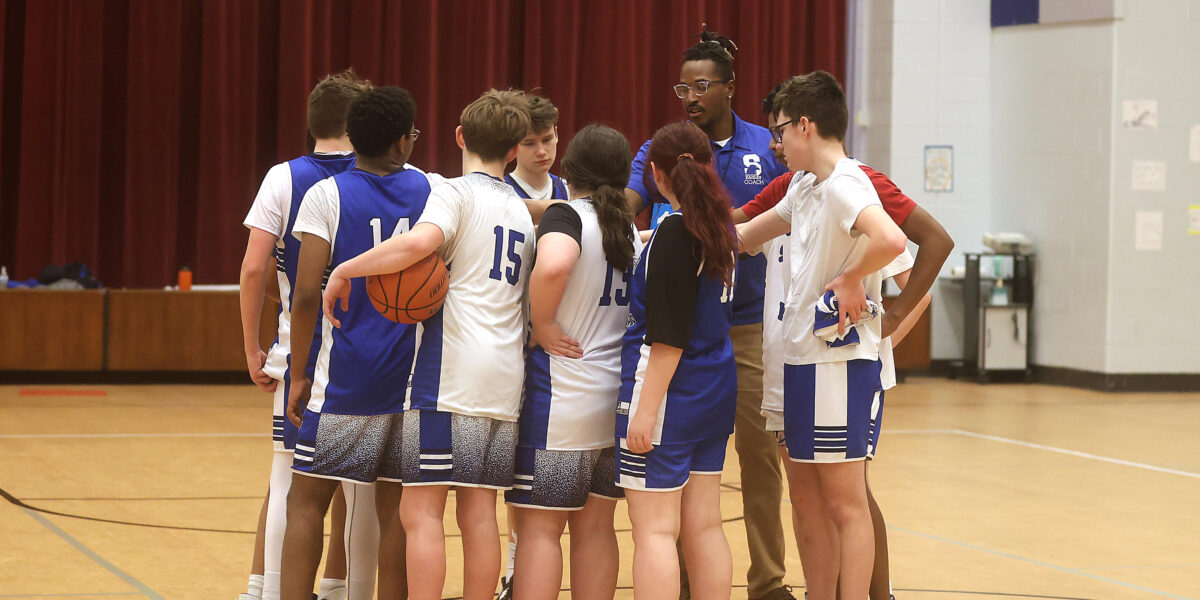
More Than a Game: How Sports Support Neurodivergent Students
For many students, sports are about much more than exercise. A team, court, track, pool, or playing field can become a place to make friends, build confidence, manage stress, and discover new strengths.
That can be especially valuable for neurodivergent students, including those with ADHD, dyslexia, and other learning differences. Sports may come with some challenges, but with the right activity and support, they can also give students an opportunity to thrive.
More Than Physical Exercise
We know that regular physical activity is good for children’s bodies, but the benefits do not stop there. According to the Centers for Disease Control and Prevention, physical activity can also support brain health, emotional well-being, and academic performance.
Sports give students a chance to practice many skills they use every day. They learn to follow routines, work toward goals, cooperate with others, respond to feedback, manage frustration, and keep going after a mistake.
For students who find parts of the school day difficult, athletics can also offer a new way to experience success. A student who struggles with reading, writing, attention, or organization may discover that they are a fast runner, a thoughtful strategist, a supportive teammate, or a determined competitor.
Those moments matter. When students recognize that they are capable and successful in one setting, that confidence can begin to carry over into other areas of life.
Sports and the Neurodivergent Brain
Neurodivergent students experience sports in different ways. Some may thrive on the movement, energy, and clear goals, while others may find the noise, social demands, or changing routines challenging.
For students with ADHD, sports can provide a helpful outlet for energy while also strengthening attention, self-control, and other executive functioning skills. Research suggests that physical activity may improve working memory, focus, and cognitive flexibility in children and teens with ADHD. Students with dyslexia or other language-based learning differences may do best when coaches demonstrate skills, use visuals, and break directions into smaller steps.
The key is not to assume every student needs the same support. Clear instructions, predictable routines, and a coach who is willing to listen can make a big difference.
Finding the Right Fit
There is no “best” sport for neurodivergent students. The right choice depends on the student’s interests, personality, sensory preferences, and comfort level.
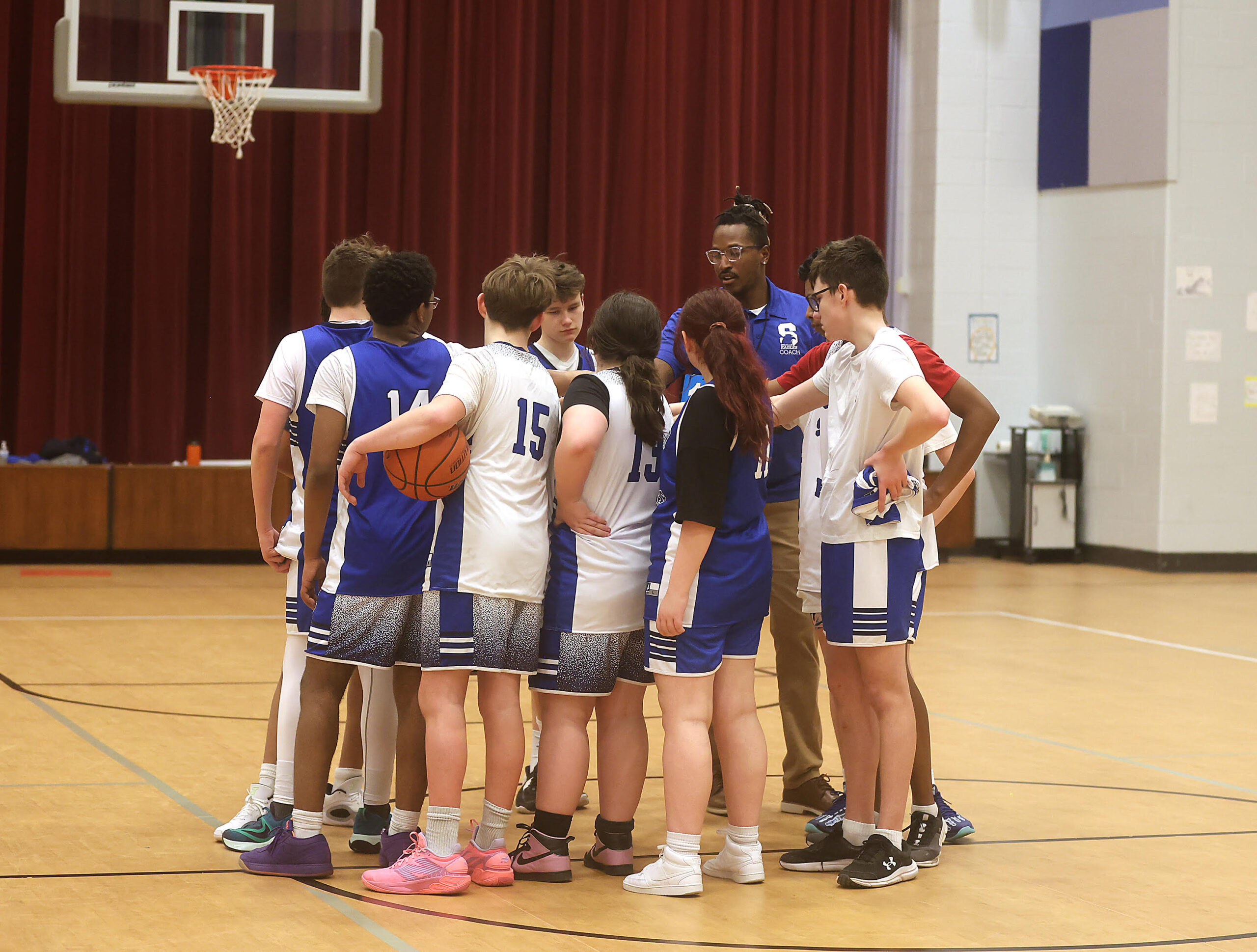
Team sports such as soccer, volleyball, baseball, and basketball can help students build communication and cooperation skills. They may be a good fit for students who enjoy social interaction, fast-paced activity, and working toward a shared goal.
Individual sports such as swimming, running, martial arts, tennis, gymnastics, and golf may offer more predictable routines and greater control over pace and social demands. Students can still be part of a team while focusing on their own progress and performance.
The environment matters just as much as the activity. A patient coach, clear expectations, manageable group size, and encouraging team culture can make a major difference. A highly competitive program may energize one student and create anxiety for another.
Sometimes finding the right fit takes a little trial and error. A student may need to try several activities before finding one that feels enjoyable and comfortable.
How Adults Can Help
Parents and coaches can make sports more accessible by thinking about what the student needs before, during, and after practice. Sharing schedules and expectations ahead of time can reduce uncertainty. Instructions are often easier to understand when they are short, clear, and paired with a demonstration. Some students may also benefit from practicing a new drill privately before trying it in front of the whole team.
Sensory supports may be helpful too. A student might arrive early to get used to the environment, take short breaks during a loud event, choose comfortable clothing, or find a quiet space to reset during a tournament.
Participation can also help to prepare students for the less predictable parts of sports: mistakes, losses, changing plans, missed calls, or constructive feedback. Adults can model flexible thinking by saying things like, “That did not go the way you hoped. What could you try next?” The goal is not to prevent every disappointment. It is to help students develop tools for handling those moments.
Most importantly, adults should talk directly with the athlete. Simple questions such as “What helps you understand directions?” or “What part of practice feels hardest?” can lead to valuable conversations. These questions also help students build self-awareness and self-advocacy. Over time, they can become more comfortable explaining what they need to coaches, teachers, teammates, and other adults.
Success Is Bigger Than the Scoreboard
Not every student will enjoy traditional competitive sports, and that is perfectly okay. Dance, hiking, bicycling, climbing, yoga, recreational swimming, and other forms of movement can offer many of the same physical, social, and emotional benefits. The goal is not to put every child on a team. It is to help students find a form of movement that feels enjoyable, meaningful, and sustainable.
A successful season may include scoring goals or winning races. But success can also mean attending every practice, trying something new, communicating with a teammate, handling a loss, or asking a coach for help. When students find the right activity and the right support, sports can become a powerful place to build confidence, practice important skills, form connections, and discover just how much they are capable of.