Building Confidence Through Career Exploration
June 11, 2026
Summer Learning, Springer Style
June 25, 2026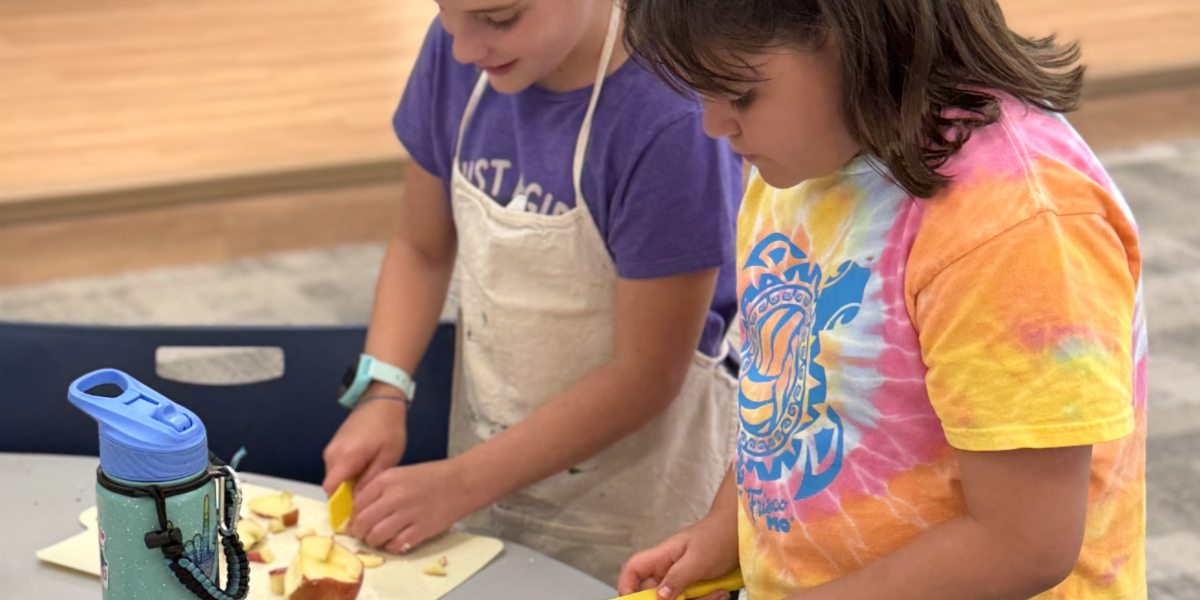
Supporting Summer Growth for Neurodivergent Learners
Summer is a season of possibility. It's a time for students to explore new interests, build independence, strengthen relationships, and recharge after a busy school year. For students with learning differences, summer can also provide valuable opportunities to practice skills in real-world settings and continue growing in ways that aren't always measured by grades or report cards.
As families look ahead, many wonder how to balance learning and relaxation. The good news is that research suggests students don't need a summer filled with academic work to continue growing. Meaningful experiences, consistent routines, and opportunities to stay engaged can support learning while still leaving plenty of room for fun.
Is Summer Learning Loss Real?
Research on summer learning loss has evolved over time. While earlier studies suggested students often lost academic skills during extended breaks, more recent research paints a more nuanced picture. According to researchers at NWEA, academic growth often slows during the summer months, but outcomes vary widely. Some students maintain skills, some make gains, and others experience setbacks depending on their access to learning opportunities and enrichment experiences.
What researchers do agree on is that summer remains an important period for learning and development. Students who have fewer opportunities to engage in reading and enrichment activities may be at greater risk of falling behind.
Why Students with Learning Differences May Need Continued Practice
During the school year, structured literacy instruction, executive functioning supports, accommodations, and daily routines help students build skills and confidence. Summer can mean fewer opportunities to practice those developing skills.
For example:
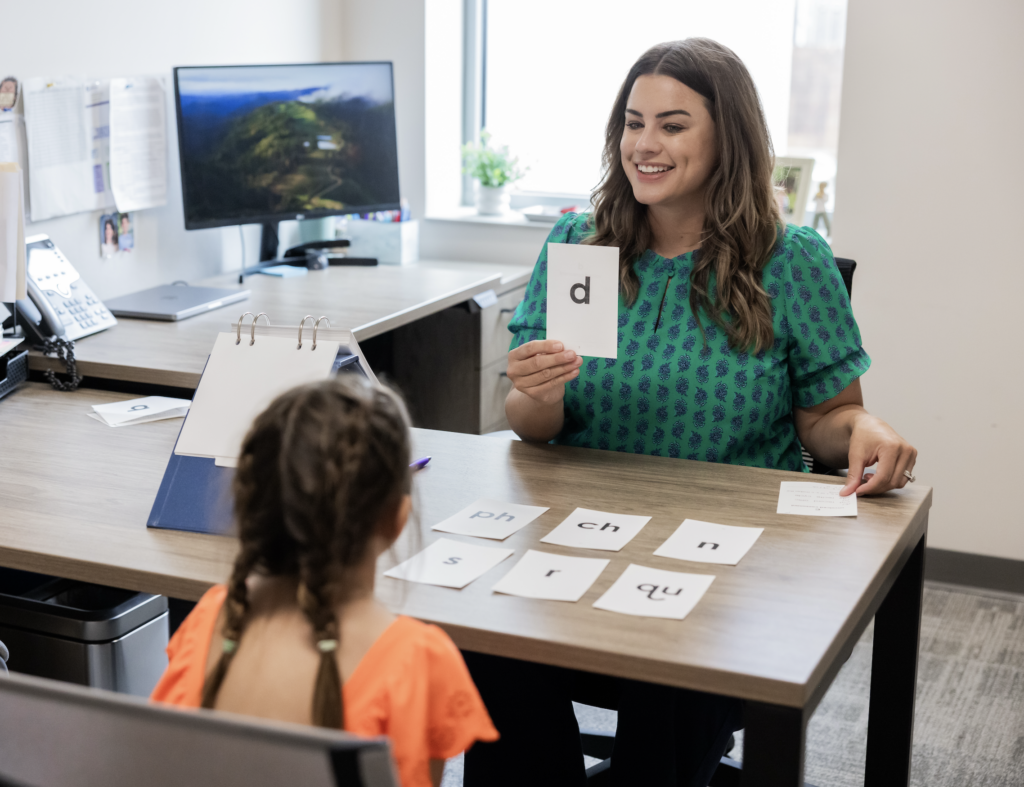
- Students with dyslexia may need ongoing structured reading practice
- Students with ADHD may struggle with the loss of routine
- Students with executive functioning challenges may find it difficult to manage free time and stay organized
That doesn't mean summer should become like school. In fact, research suggests engaging, enjoyable learning experiences are often more effective than trying to recreate the classroom at home.
Learning Can Look Different From School
Research from the RAND Corporation and the Wallace Foundation found that high-quality summer programs that combine academics with enrichment can support gains in reading and math while also fostering confidence and engagement.
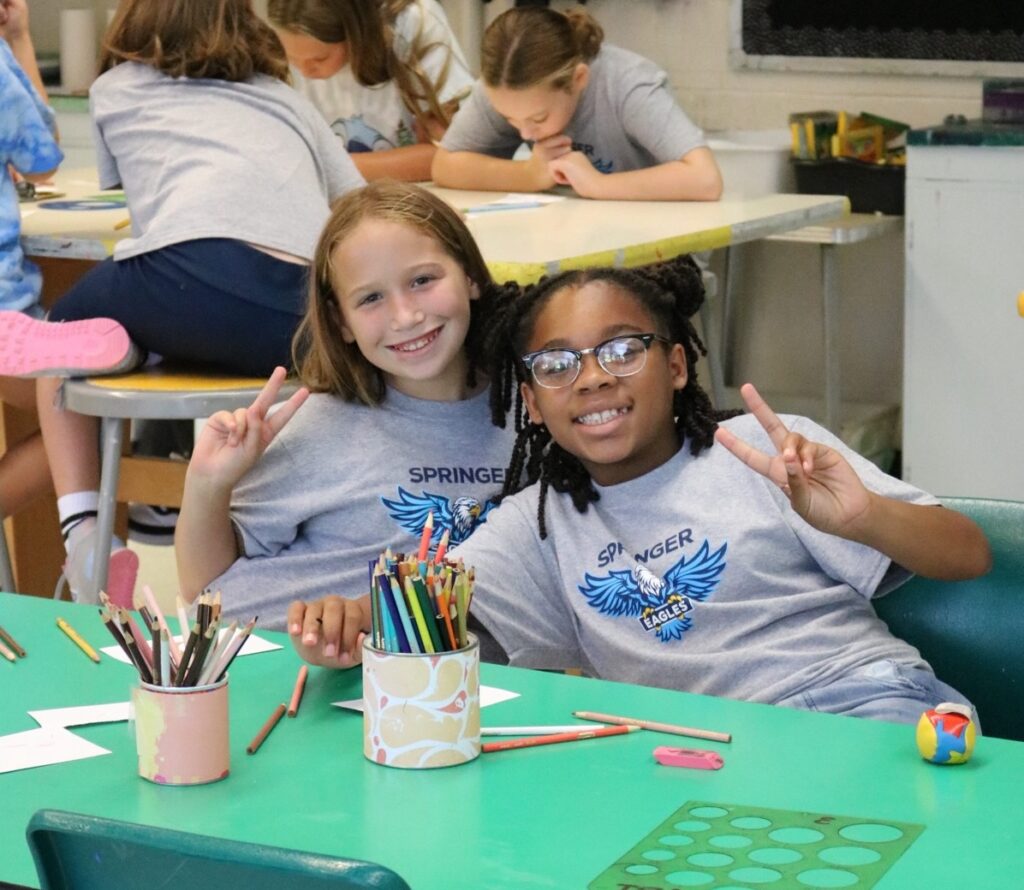
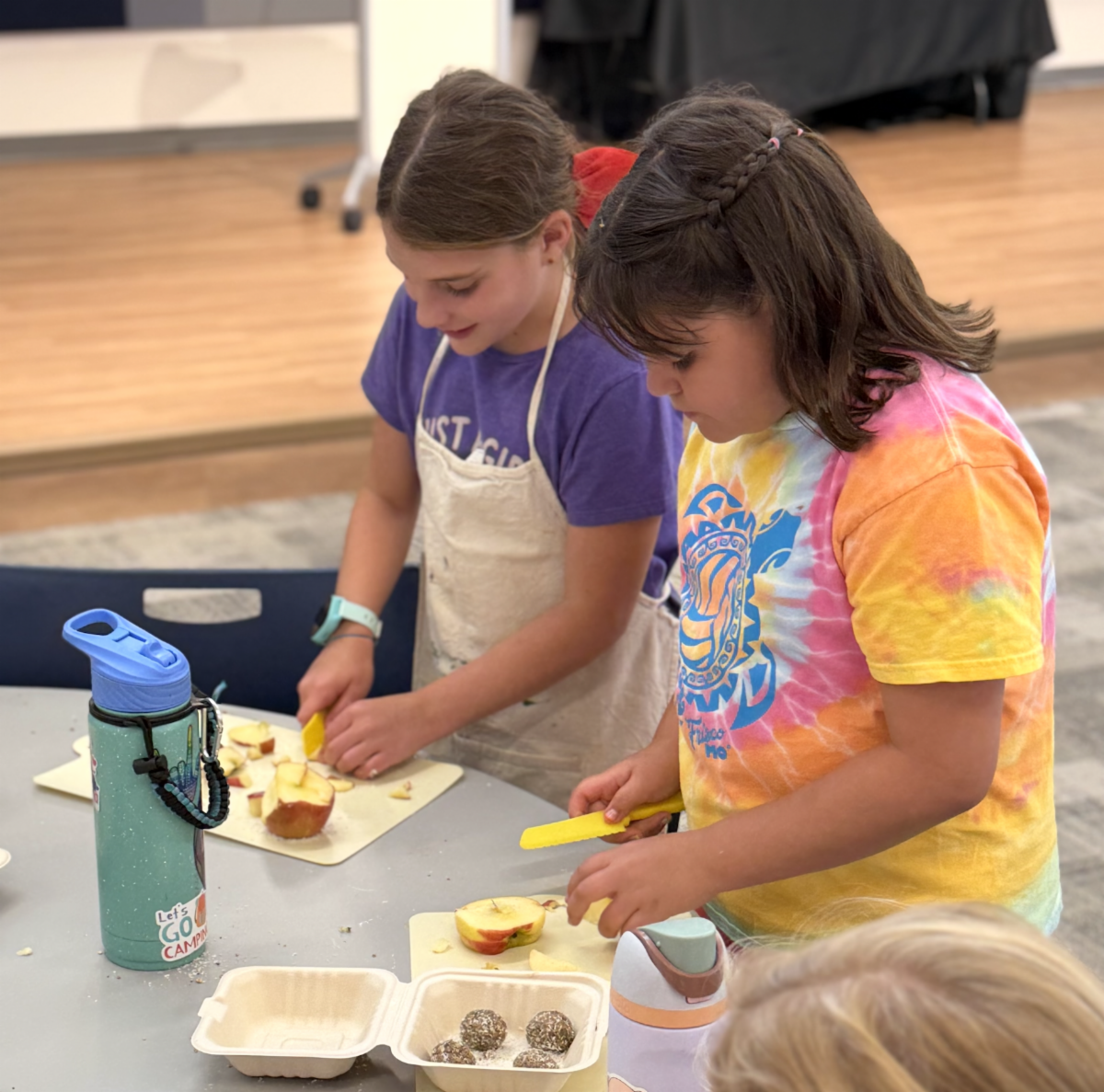
Learning can happen in countless ways. Visiting museums, exploring nature, volunteering, learning a new hobby, cooking, managing a budget, or attending camp all help students develop critical thinking, problem-solving, independence, and executive functioning skills. These experiences may not look like traditional academics, but they contribute to long-term growth.
The Power of Reading
One of the most consistent findings in summer learning research is the importance of reading. Research highlighted by Reading Rockets suggests that students who regularly read during the summer are more likely to maintain their reading skills, while students who read less may experience declines in achievement.
For those with dyslexia and other language-based learning differences, using audiobooks, graphic novels, shared reading experiences, and high-interest topics can all help students stay engaged with literacy while building confidence and enjoyment.
Finding the Right Balance
For families of students with learning differences, the goal is not to turn summer into another school year. Instead, think of summer as an opportunity to maintain important skills while making room for rest, exploration, and fun.
Research shows that students do not need a summer filled with worksheets and academic drills. What they do need are opportunities to stay curious, continue practicing important skills, and engage in experiences that help them grow. With the right balance of structure and flexibility, summer can be a season of both learning and joy.
Sources: NWEA; Reading Rockets; RAND Corporation/Wallace Foundation